
Originally published on https://sayerji.substack.com
Pennsylvania is simultaneously carrying out the nation’s largest black-fly aerial larvicide program and truck-fogging communities with synthetic pyrethroid adulticides — a pesticide class linked in peer-reviewed research to adverse neurodevelopmental outcomes, including increased autism risk — across counties that are also under an emergency measles response targeting Amish communities with pop-up MMR clinics. The state has not publicly explained this concurrence, disclosed any assessment of combined pediatric exposure risk, or reconciled its fogging justification with its own West Nile surveillance data.
A companion piece published simultaneously — An Open Letter to President Trump: The Missing Spray Log — asks the federal government to demand the records this investigation identifies as missing.
Sept. 2nd UPDATE: The neurodevelopmental dimension materially deepens the public-health questions surrounding this operation. Epidemiologic studies have reported associations between prenatal pyrethroid exposure and adverse neurodevelopmental outcomes, including autism spectrum disorder. A 2022 meta-analysis reported roughly 40% higher pooled odds of ASD associated with maternal pyrethroid exposure, while California research found prenatal exposure to permethrin associated with increased ASD risk, particularly ASD accompanied by intellectual disability.
This does not establish that the Pennsylvania spraying caused autism, neurological injury, or any specific illness. But it does mean these exposures cannot reasonably be treated as biologically irrelevant background noise — particularly when spraying occurs around homes, farms, schools, pregnant women, infants and children during an active public-health intervention.
The unanswered question is therefore larger than why pesticide spraying and the measles response happened at the same time.
It is whether Pennsylvania evaluated the neurological and developmental implications of dispersing these compounds through affected communities at all — and, if it did, where that assessment is.
![FireShot-Capture-947---EXCLUSIVE_-They-Are-Spraying-Neurotoxins-Over-the-Outbreak-Amish-Co_---[sayerji.substack.com].jpg](https://fls-a0de34a7-7f40-4480-890f-5c01779c21d4.laravel.cloud/6236/FireShot-Capture-947---EXCLUSIVE_-They-Are-Spraying-Neurotoxins-Over-the-Outbreak-Amish-Co_---%5Bsayerji.substack.com%5D.jpg)
What this piece is, and what it is not.
This is not a claim that pesticide fog caused the measles outbreak. That is not a defensible claim and I am not making it.
This is a claim that Pennsylvania is running two distinct chemical vector-control operations — an aerial Bacillus thuringiensis israelensis (Bti) larvicide program targeting waterways, and a separate residential ULV synthetic-pyrethroid adulticide program — concurrent with an emergency MMR vaccination campaign targeting rural Plain communities in overlapping counties. The West Nile disease-burden numbers cited to justify the pyrethroid adulticide program do not survive scrutiny against the state’s own surveillance data. The peer-reviewed pediatric toxicology of the specific synthetic-pyrethroid formulations being applied documents immune, neurodevelopmental, and respiratory effects. The state has never publicly reconciled these facts.
There are questions the state has an obligation to answer. This piece is those questions.
The three overlays
There are three things happening simultaneously across multiple Pennsylvania counties during the summer of 2026, including at least several counties reporting confirmed measles cases. Any one of them, in isolation, is a routine government operation. All three, converging on the same rural communities during the same weeks, are worth documenting.
Layer one: A measles outbreak in the Amish community. Pennsylvania has confirmed 497 measles cases across 34 counties as of August 31, 2026 (PA Department of Health). The outbreak is concentrated in Lancaster, Lebanon, Berks, Dauphin, Northumberland, Chester, York, and Montgomery counties, with approximately 210 cases in Lancaster County alone (CIDRAP, Aug 25 2026). Two “measles-associated deaths” have been announced — Pennsylvania’s first in 35 years — both in Lancaster County (Wall Street Journal, Aug 25 2026).
Layer two: The most aggressive state-level vaccination push in modern Pennsylvania history. The Shapiro administration has run 91 pop-up MMR clinics since April 2026, with 40 more planned, administering more than 4,100 doses at those clinics and 35,000+ MMR doses statewide in July 2026 alone — 10,000 more than a typical month (Governor’s Office press release, Aug 25 2026). The state’s own briefing to the Association of Immunization Managers describes the program as including “horse and buggy clinics,” “mud sales” outreach, “Amish schoolhouse visits,” and “in-home horse and buggy immunization services” (Immunization Managers presentation, April 2025; Immunization Managers Lancaster County profile).
The full institutional and campaign-scale architecture of this program — and the parallel coercive regime running against Amish communities in New York State — is documented in two prior posts in this series: The Amish Are Being Targeted in Two States and Pennsylvania Is Executing the Most Aggressive State Vaccination Campaign in Modern History.
Pennsylvania Is Executing the Most Aggressive State Intervention in Amish Community Life in American History
Sayer Ji · Aug 30

Buggy clinics. Amish schoolhouse visits. Armed farm raids. Two disputed deaths. A pharma-funded task force with no public charter. And an 18-year federal war on Amish raw milk that RFK Jr. called “a long war by Big Ag, food processors and their government puppets to destroy family farms.”
Layer three: Two distinct vector-control programs operating across multiple Pennsylvania counties, including several outbreak counties. These are meaningfully different programs and this piece treats them as separate throughout.
Program A — Aerial Bti larvicide (black-fly suppression, waterway-directed). The Pennsylvania Department of Environmental Protection is in the 41st year of its Black Fly Suppression Program, applying Bacillus thuringiensis israelensis (Bti) from helicopters at treetop level over 1,800 miles of waterways in 35 participating counties (PA DEP Black Fly program page). Bti is a naturally-occurring soil bacterium, not a synthetic pyrethroid; the applications target flowing waterways rather than residential land, and EPA characterizes Bti as having no demonstrated human toxicity at registered uses (EPA Bti for Mosquito Control). Peer-reviewed entomology literature describes it as the largest black-fly management program in North America (Wilson et al., Environmental Entomology 2021). Program A is included here for scope and completeness; it is not the operation this piece is asking hard human-exposure questions about.
Program B — Residential ULV synthetic-pyrethroid adulticide (mosquito-borne disease control). The Lancaster/Lebanon Mosquito-Borne Disease Program (BU 0944, run by Lydia Mohn out of the Lebanon County Conservation District) is running truck-mounted Ultra-Low Volume fogging of AquaDuet, a synthetic pyrethroid formulation, through residential neighborhoods on West Nile Virus surveillance triggers. In August and September 2026, Cumberland County ran Biomist 3+15 (permethrin plus piperonyl butoxide) fogging on September 1, 2026 (Cumberland County Evening Control Program), and Franklin County ran PermaSease 4-4 through Greene, Guilford, and Southampton Townships on August 25, 2026 (ABC27). Program B is the operation carrying meaningful human-exposure implications for children, pregnant women, and infants in the residential areas where it operates. Every subsequent toxicology, drift, and diagnostic-ambiguity question in this piece refers to Program B unless explicitly stated otherwise.
A note on the geographic claim. This piece does not assert that every one of Pennsylvania’s confirmed measles-outbreak counties has been individually documented as fogged with synthetic pyrethroids in summer 2026. The specific 2026 ULV events I have primary-source documentation for are in Lancaster/Lebanon (AquaDuet), Cumberland (Biomist 3+15), and Franklin (PermaSease 4-4). Cumberland and Franklin are not on the outbreak-county list; Lancaster and Lebanon are. The parallel Right-to-Know Law requests being filed today are designed to force disclosure of the full 2026 township-level spray log — every date, product, application rate, and vector-index trigger — so a definitive county-by-county evidentiary table can be published. What is documented today: pyrethroid adulticide fogging is occurring in Pennsylvania during the outbreak-response window; it is occurring in at least two outbreak counties (Lancaster and Lebanon); and no state agency has published or reconciled the full picture.
At least two of Pennsylvania’s confirmed measles-outbreak counties — Lancaster and Lebanon — were truck-fogged with synthetic pyrethroids during the same summer weeks as the emergency MMR push. The full 2026 spray log has never been published.
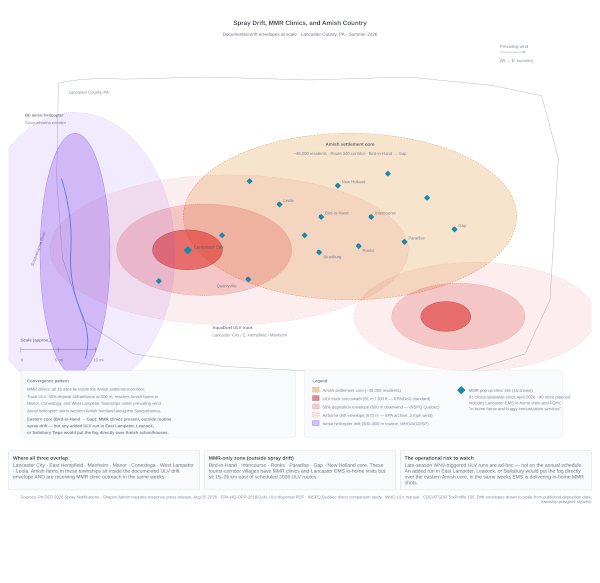
Map 1: Currently documented 2026 configuration. Amish settlement in green; MMR pop-up clinic sites in teal; documented Program B (residential ULV pyrethroid) zones and drift envelopes in warm tones. Layers reflect what is currently in the public record; the full 2026 spray log is the subject of the RTKL request.
Question one: Why is Pennsylvania running the country’s largest black-fly spray program at all?
Pennsylvania’s own briefing to the Governor’s Climate Change Advisory Committee, dated December 2025, states it plainly:
“Black flies do not spread disease in Pennsylvania. Goal: To reduce nuisance black fly populations to tolerable levels during the spring & summer recreational season using environmentally compatible methods.”
Penn State Extension confirms:
“In Pennsylvania, black flies do not transmit diseases to humans. Any black fly bite is usually just an annoyance.”
The DEP Secretary’s own 2026 program launch press release confirms the framing is recreational, not medical:
“As the weather turns warmer, Pennsylvanians will be spending more time outdoors, and black flies can make that difficult. This program helps reduce those nuisance populations so families can fully enjoy Pennsylvania’s rivers, streams, and outdoor spaces.”
The program budget is $9.2 million for FY 2025-26 (PA Counties Budget Narrative FY25-26), of which 93% goes directly to contracted aerial spray operations (DEP FY2026-27 Legislative Budget). It is the largest single black-fly control program in North America (Wikipedia, Black Fly).
A tourism-comfort program at $9.2 million per year that is — by the state’s own admission — not a disease-control program is being executed across the same counties as an emergency public-health response. Nobody has said the black-fly program will pause or reduce its operations during the measles outbreak.
Reasonable question the state has not answered: Why is a program the state itself classifies as recreational quality-of-life continuing at full throttle over farms and communities where children are in a declared public-health emergency?
Question two: Do the West Nile numbers justify fogging Lancaster with pyrethroids?
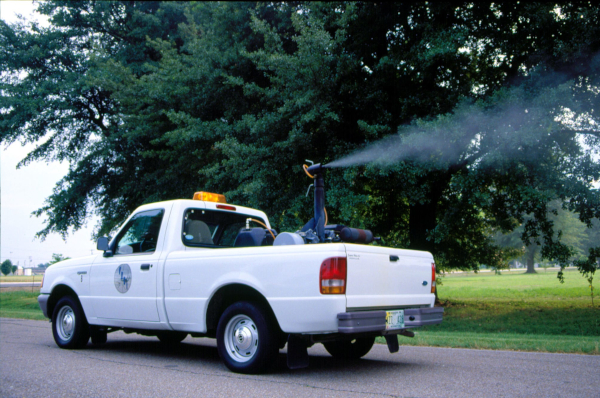
The truck-mounted ULV program has a disease justification. The disease is West Nile Virus. Let’s look at what Pennsylvania’s own arboviral surveillance data says about it.
2025 — Pennsylvania statewide, per PA DEP 2025 Arboviral Seasonal Summary:
80 total human WNV cases from 22 counties (out of ~13 million residents)
Average age of cases: 60 years old (range 19–103)
5 deaths total statewide across the entire year: Dauphin, Lackawanna, Lancaster, Lebanon, and Montgomery counties
Lancaster County: 21 cases, 0 deaths
Lebanon County: 5 cases, 0 deaths
2024: 60 cases, 7 deaths statewide; Lancaster 12 cases, 0 deaths (PA DEP 2024 Arboviral Seasonal Summary).
2026 season to date, statewide: 2 confirmed human WNV cases, 0 deaths (CDPH/ArboNET Aug 25, 2026).
The federal Centers for Disease Control publishes the following about the demographic distribution of WNV serious illness (CDC WNV Key Messages; CDC WNV Clinical Signs):
• ~80% of WNV infections are asymptomatic — the person never knows they were infected
• ~20% cause mild febrile illness (West Nile fever, self-limiting)
• Less than 1% (roughly 1 in 150) develop neuroinvasive disease — meningitis, encephalitis, or acute flaccid paralysis
• ~10% case fatality among neuroinvasive cases — concentrated in patients over 70
CDC’s own historical surveillance breaks the age gradient down explicitly: “2% of cases among patients aged <50 years were fatal, compared with 6% of cases among those aged 50–69 years and 21% of those aged ≥70 years” (CDC MMWR Vol 70).
Now compare that to what the state has declared a public-health emergency:
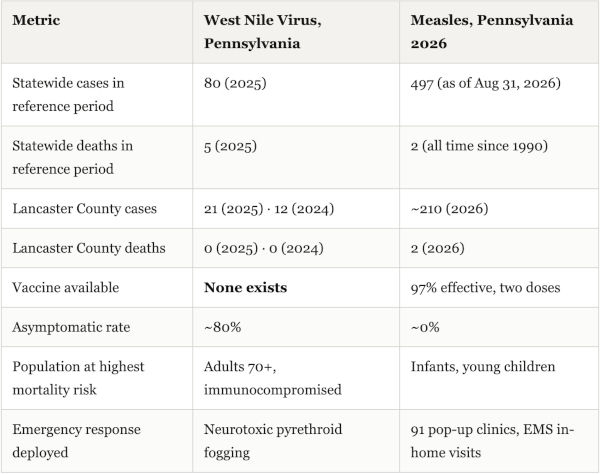
Sources: PA DOH Shapiro press release; PA DEP 2025 Arboviral Summary; CDC WNV Key Messages; CDC Measles Clinical Overview.
For the Amish/Plain-community population specifically — young, agrarian, physically healthy, disproportionately pediatric — WNV mortality risk is essentially zero. The demographic WNV actually threatens is 70+ urban and suburban adults on multiple medications. That population could be protected by personal repellent, screens, long sleeves, and evening avoidance. No area-wide fogging required.
Reasonable question the state has not answered: Why is the same state that declared 2 measles deaths in Lancaster County an emergency justifying 91 pop-up vaccination clinics and Lancaster EMS in-home immunization visits and horse-and-buggy MMR delivery deploying pyrethroid fog against a virus that killed 5 elderly Pennsylvanians statewide last year and 0 children in Lancaster County, ever?
The precautionary principle is being applied to vaccination status. It is not being applied to inhaled pesticide exposure of the same children in the same townships.
Question three: What is actually inside the fog?
Three products are being applied through residential neighborhoods in the outbreak counties during the emergency response window. Every one is a synthetic pyrethroid combined with piperonyl butoxide (PBO), a cytochrome P450 inhibitor whose sole function is to prevent metabolism and detoxification of the pyrethroid.
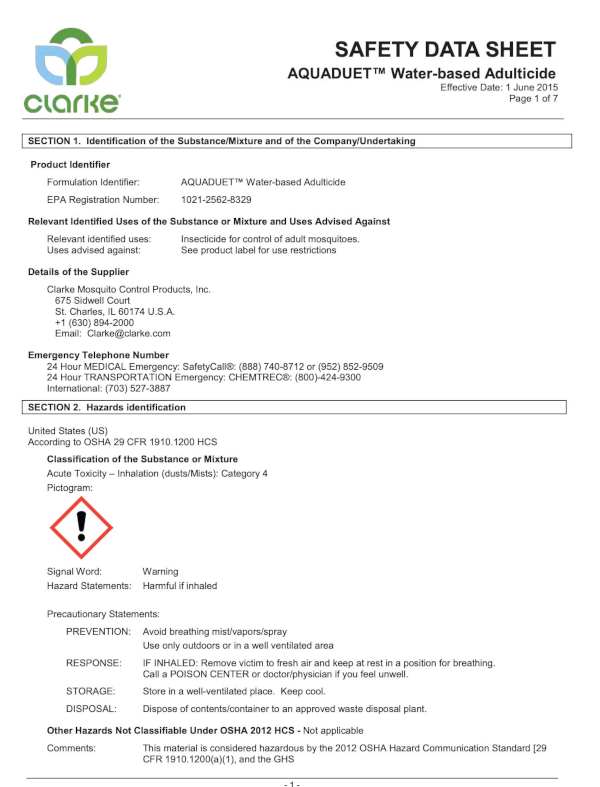
AquaDuet (Clarke Mosquito Control, EPA Reg. 1021-2562-8329) — the Lancaster/Lebanon program’s default product. Per the manufacturer’s own Safety Data Sheet and the City of Reading, PA posted label, each gallon contains 1.0% prallethrin, 5.0% d-phenothrin (sumithrin), and 5.0% piperonyl butoxide.
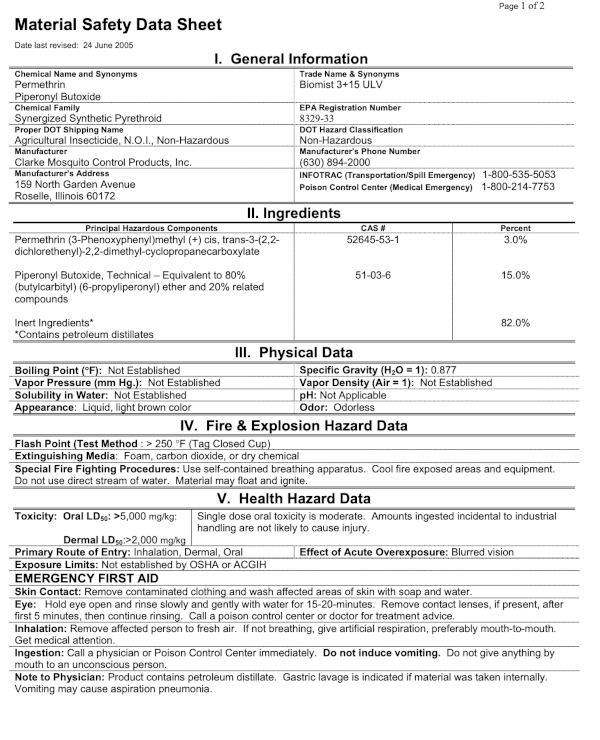
Biomist 3+15 ULV (Clarke Mosquito Control, EPA Reg. 8329-33) — used by Cumberland County September 1, 2026. Per the Cumberland County-posted MSDS, the formulation is 3.0% permethrin, 15.0% piperonyl butoxide, and up to 82% petroleum distillate mixture.
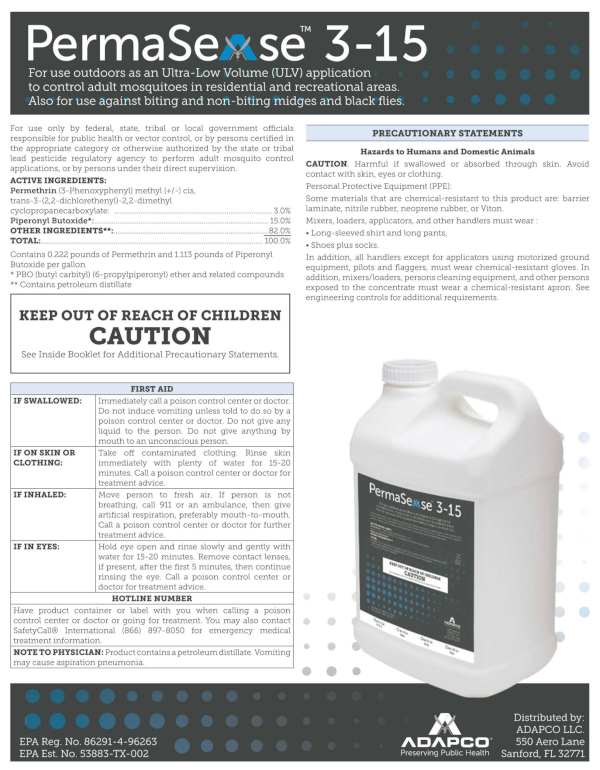
PermaSease 4-4 — used in Franklin County August 25, 2026. Same manufacturer family; 4% permethrin plus 4% PBO.
Here is what the peer-reviewed toxicology literature and federal agency documentation say about these active ingredients — not from advocacy sources, from CDC/ATSDR, EPA, and PubMed.
Prallethrin (in AquaDuet)
• Synthetic pyrethroid, EPA acute inhalation Category II (”moderately toxic”)
• Cardiac conduction disturbances via sodium-channel effects in heart tissue (PMC3590517, Prallethrin poisoning: a diagnostic dilemma)
• Acute kidney injury following exposure (Open Urology and Nephrology Journal, 2019)
• Skin necrosis in dermal exposure (ScienceDirect 2016)
• Chronic exposure to prallethrin-based mosquito repellents: altered LH, FSH, and thyroid hormones; elevated glucose, nitrites, nitrates, and lipid peroxides (PubMed 18657844)
d-Phenothrin / Sumithrin (in AquaDuet)
The National Center for Biotechnology Information’s PubChem monograph on d-cis-phenothrin states plainly:
“Sudden bronchospasm, swelling of oral and laryngeal mucous membranes, and anaphylactoid reactions have been reported after inhalation.”
The Northwest Center for Alternatives to Pesticides monograph documents liver and kidney damage in lab tests, anemia, increased liver cancer incidence in animal studies, and estrogen-mimicking activity (NCAP sumithrin factsheet). A Mount Sinai School of Medicine study linked sumithrin exposure to breast-cancer-associated mammary tissue gene expression (Wikipedia summary of primary citation). Neurodevelopmental toxicity including spina bifida was observed in developing rabbits (Thurston County WA health basic factsheet).
Permethrin (in Biomist 3+15 and PermaSease 4-4)
Permethrin is the world’s most-studied synthetic pyrethroid. Every citation below is federal-agency or peer-reviewed.
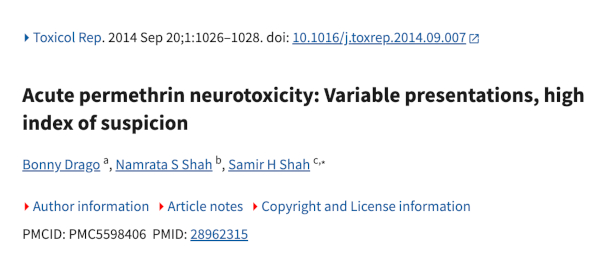
Children are more susceptible than adults. From PMC5598406, Acute permethrin neurotoxicity:
“In vivo, permethrin is almost five times more acutely toxic to eight-day-old rats than to adult rats. Based on in vivo experiments, it is possible that children may be more sensitive to permethrin than adults.”
Neurodevelopmental, ADHD, and autism associations. From an EPA regulatory docket comment (regulations.gov attachment):
“Permethrin is associated with neurological toxicity, including neurodevelopmental disorders. A recent study reports that synthetic pyrethroids like permethrin can negatively affect neurobehavioral development in children by age six. Associations with attention deficit hyperactivity disorder (ADHD) in children and young teens and increased risk of autism have been observed. Permethrin has also been linked to endocrine and reproductive effects. In fact, permethrin is recognized as a potential endocrine disruptor in the European Union based on the inhibition of androgen binding in vitro.”
Pediatric immune dysregulation. From EPA’s own archived TEACH pyrethroid summary (archive.epa.gov):
“Permethrin exposure may impact the immune system in children. The presence of anti-nuclear antibodies in blood, a marker of potential or existing autoimmune disease, in children and adults was associated with estimated exposure (personal questionnaire) to permethrin. Also, case reports indicated that children exposed to permethrin developed immune-mediated respiratory and dermal irritation.”
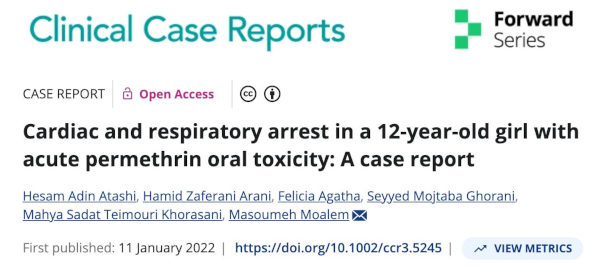
Documented pediatric fatality risk. A 2022 Clinical Case Reports paper on cardiac and respiratory arrest in a 12-year-old girl summarizes: “The expanded use of permethrin might cause various toxic effects on humans, including neurotoxicity, immunotoxicity, cardiotoxicity, hepatotoxicity, digestive system toxicity, and cytotoxicity” (Wiley Clinical Case Reports 2022). The European Chemicals Agency classifies permethrin as “Aspiration hazard, Category 1 H304” — “may be fatal if swallowed and enters airways.”
Piperonyl Butoxide (in all three products)
PBO is not an insecticide. It is a synergist whose sole function is to inhibit cytochrome P450, the enzyme system humans use to metabolize environmental toxins, pharmaceuticals, and hormones. The manufacturer admits this directly:
“In Duet and AquaDuet, Sumithrin and prallethrin are combined with a synergist, piperonyl butoxide (PBO), to enhance the product’s ability to provide fast knockdown and control of wild mosquito populations.”
From a 2024 peer-reviewed toxicological review (PMC11407539, Piperonyl butoxide and the necessity of toxicological assessment):
“A review of human PBO incident reports by the US EPA in 2004 indicates a greater risk for moderate and major symptoms (e.g. respiratory symptoms like bronchospasm, cough/choke, and dyspnoea) by products containing pyrethrins and PBO than by pyrethrins alone.”
“The mode of action of PBO is completely different from that of pyrethroids, as PBO inhibits the cytochrome p450 system and delays the detoxification of insecticides.”
The neurodevelopmental question, in the peer-reviewed literature
The pyrethroid-plus-PBO formulations being applied in Pennsylvania have an outcome-level literature separate from the acute toxicology above. That literature is directly relevant to fogging over communities with children, and it deserves to be on the record.
The UC Davis CHARGE study, 2014. Shelton and colleagues, publishing in Environmental Health Perspectives, examined ~970 California mother-child pairs. Third-trimester residential proximity (within 1.5 km) to pyrethroid pesticide applications was associated with autism spectrum disorder at OR 1.87 (95% CI 1.02–3.43). Second-trimester chlorpyrifos exposure was associated with ASD at OR 3.3 (95% CI 1.5–7.4), for comparison (Shelton et al., EHP 2014).
The BMJ California replication, 2019. Von Ehrenstein and colleagues, in a population-based case-control study of 2,961 ASD cases and 35,370 controls in the California Central Valley, found statistically significant associations between prenatal residential exposure and ASD for the pyrethroids permethrin (OR 1.10, 95% CI 1.01–1.20) and bifenthrin, with the organophosphates chlorpyrifos, diazinon, and malathion also implicated (von Ehrenstein et al., BMJ 2019). The confidence intervals for permethrin do not cross the null.
The 2022 meta-analysis. A pooled analysis of the epidemiological literature reported a maternal pyrethroid exposure pooled OR 1.40 (95% CI 1.09–1.80) for ASD in offspring — a higher pooled effect than for organophosphates (pooled OR 1.14) in the same analysis (Ni et al., Environmental Research 2022).
The 2022 critical systematic review. Andersen and colleagues, applying formal epidemiological evidence-grading criteria across the full body of pyrethroid-neurodevelopment literature, concluded: “This review found sufficient evidence for an association between pyrethroid exposure during pregnancy and adverse neurodevelopment. All studies addressing neurobehavioral outcomes reported worse scores or higher risk of ASD diagnosis with increasing pyrethroid exposure” (Andersen et al., Environmental Research 2022). “Sufficient evidence” is a specific epidemiological grading term, not rhetorical.
Piperonyl butoxide is not a passenger. The synergist added to every one of the three fogging products carries its own peer-reviewed association with delayed mental development. Columbia’s CCCEH prospective birth cohort study, published in Epidemiology in 2011, found the odds of delayed mental development at 36 months were 4.47 times higher (95% CI 1.75–11.16, p = 0.002) among children in the highest quartile of prenatal PBO air exposure compared to the lowest, with children in the higher-exposure group scoring 3.9 points lower on the Bayley Mental Development Index (Horton et al., Pediatrics 2011). PBO is 5% of AquaDuet, 15% of Biomist 3+15, and 4% of PermaSease 4-4.
Mechanistic support in mouse models. Multiple NIEHS-funded and academic laboratory studies published from 2021 to 2025 have demonstrated that developmental deltamethrin exposure in mice, at doses below the EPA benchmark dose, produces autism-like behaviors including hyperactivity, repetitive behaviors, reduced vocalizations, and learning deficits, alongside disrupted striatal dopamine signaling and altered GABA/parvalbumin neuron activity in the hippocampus (Vitalo et al., PNAS 2023; Curtis et al., 2024; NIEHS Extramural Papers, April 2025). This is mechanistic biology consistent with the human epidemiology, not a substitute for it.
European burden-of-disease estimate, 2024. A human-biomonitoring analysis across Europe estimated that approximately 18% of ADHD cases in Europe are associated with pyrethroid exposure (David et al., Environment International 2024). This is a population-attributable-fraction estimate, not an individual-case claim.
What the literature does not establish, and this piece does not claim. None of the studies above establish individual-level causation between a specific pyrethroid application and a specific child’s neurodevelopmental diagnosis. The literature is not uniform: a JAMA Pediatrics analysis published August 2026 reported that prenatal organophosphate exposure was not associated with autism-related traits in one specific cohort (JAMA Pediatrics, Aug 24 2026). That study was organophosphate-specific and does not overturn the pyrethroid-specific findings, but honest reporting acknowledges it. What the literature does establish is a converging, statistically significant, peer-reviewed body of population-level evidence that prenatal exposure to synthetic pyrethroids and PBO is associated with elevated risk of autism spectrum disorder, developmental delay, and ADHD in offspring.
Reasonable question the state has not answered: Given a body of peer-reviewed literature that includes a formal systematic-review finding of “sufficient evidence” for association between prenatal pyrethroid exposure and adverse neurodevelopment, a meta-analytic pooled OR of 1.40 for autism spectrum disorder, a Columbia PBO study reporting OR 4.47 for delayed mental development in highest-exposure quartiles, and mouse-model evidence of autism-like phenotypes at below-EPA-benchmark doses — what pediatric neurodevelopmental risk assessment did the Lancaster/Lebanon Mosquito-Borne Disease Program, PA DEP, or PA DOH conduct before deploying AquaDuet ULV fogging over residential neighborhoods including Amish farms and schoolhouses in 2026? Has any such assessment been published? If not, on what basis is the residential ULV application judged safe for exposed pregnant women, nursing mothers, infants, and children?
The cross-cutting CDC/ATSDR position
From the CDC/ATSDR ToxFAQs for Pyrethrins and Pyrethroids:
“Pyrethrins and pyrethroids interfere with the normal way that the nerves and brain function. Exposure to very high levels of these compounds for a short period in air, food, or water may cause dizziness, headache, nausea, muscle twitching, reduced energy, changes in awareness, convulsions and loss of consciousness. Changes in mental state may last several days after exposure to high levels of pyrethroids has ended.”
From PMC7692614, Pyrethroids: How They Affect Human and Animal Health:
“Children and pregnant women are at risk of faster pyrethroid penetration into the body. It has been proven that pyrethroids and their metabolites can be found in human milk, which poses a risk to newborns.”
Pyrethroids and their metabolites can be found in human milk.
Reasonable question the state has not answered: Given that the primary population being fogged in Lancaster and Lebanon includes an unusually high concentration of pregnant women, nursing mothers, infants, and young children — the Amish and Plain community demographic — and given that the peer-reviewed pediatric toxicology of the specific chemicals being applied documents immune dysregulation, respiratory irritation, neurodevelopmental effects, and (in the case of permethrin at aspiration exposure) potential fatality, what specific pediatric risk assessment did the Lancaster/Lebanon program run before triggering the 2026 ULV applications? Has that assessment ever been published?
Question four: Do the drift envelopes reach the Amish community?
This is not speculation. The drift physics of ULV pyrethroid fog and aerial Bti application are exhaustively characterized in EPA, WHO, and DoD regulatory literature.
Truck-mounted ULV, per EPA/DoD standard:
• Nominal effective swath: 300 feet (91 m) on either side of the truck (EPA-HQ-OPP-2018-0141; DoD AFPMB Tech Guide 13)
• Under light-wind conditions — the typical operational condition — approximately 50% of emitted spray remains airborne at 500 m (0.31 mi) downwind, per direct comparison studies at Institut national de santé publique du Québec (INSPQ Québec)
• Under higher winds (>5 mph), more than 80% of emitted material stays airborne beyond 500 m
• EPA archival data: 10-micron malathion droplets drift 2,200 ft (670 m) on gravity alone in a 2 mph wind, before wind transport is factored in (EPA archive)
• Engineered droplet size for ULV is 10–25 microns Volume Mean Diameter — respirable particle size that penetrates deep into lung tissue
Aerial ULV drift:
• WHO standard aerial adulticide swath is up to 300 m at 30-50 m flight altitude (WHO ULV manual)
• The EPA-endorsed AGDISP dispersion model characterizes routine drift to 800 m and extends prediction to 20 km downwind in its Gaussian far-field module (WHO aerial application guidance)
• ATSDR toxicological profile documents pyrethroid detection 4 km from application sites (ATSDR ToxProfile 155 Ch. 6)
What that means for the Lancaster geography specifically
The Lancaster Amish settlement — approximately 48,000 people in 267 church districts — runs along a corridor east of Lancaster City including Bird-in-Hand, Intercourse, Ronks, Strasburg, Paradise, Gap, Leola, Gordonville, and New Holland (Amish Country Finder). About 12% of the settlement spills into adjacent Chester, Dauphin, and Berks counties (Elizabethtown College’s Nolt via Local21 News, Nov 2025).
The 2024 and 2025 DEP spray notification PDFs show the Mohn/BU 0944 crew routinely fogging Lancaster City, East Hempfield Township, Lancaster Township, Manheim Township, and Manheim Borough with AquaDuet at 1.0 oz/acre (DEP 2025 Spray Notifications; DEP 2024 Spray Notifications). Under the documented drift envelope, that fog reaches Amish farms in Manor, Conestoga, and West Lampeter Townships — the western edge of the settlement.
The Bti aerial helicopter route follows the Susquehanna River along Lancaster County’s western border, with confirmed 2026 passes on June 3, 10, 17, 24, and September 1 (DEP 2026 Spray Notifications; Cumberland County calendar EID 6637). Amish farms in the Susquehanna floodplain sit inside its documented drift envelope.
The eastern Amish core — Bird-in-Hand, Intercourse, Ronks, Paradise, Gap — sits 15–25 km east of any currently scheduled 2026 truck route. Under the published schedule alone, the fog does not physically reach those villages.
But the 2026 spray schedule is not final. Late-season WNV-triggered ULV runs are added ad-hoc based on vector-index thresholds — not published in the annual DEP PDF. An added run in East Lampeter Township, Leacock Township, or Salisbury Township — the three townships that ARE the Amish core — would place the fog directly over Amish schoolhouses, farms, and buggy routes. East Lampeter sits on the Pequea Creek watershed, a documented Culex mosquito breeding zone with fixed surveillance sites monitored weekly by the Lancaster County Conservation District (Lebtown, July 2025).
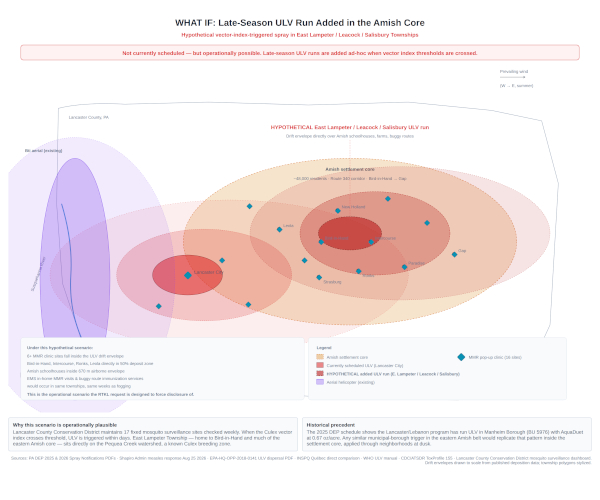
Map 2: What-if scenario. A single late-season vector-index-triggered ULV run in East Lampeter, Leacock, or Salisbury Township would place synthetic-pyrethroid fog directly over Amish schoolhouses, farms, and buggy routes — in the same townships as active MMR pop-up clinics.
Reasonable question the state has not answered: What is the vector index threshold that would trigger a ULV run in East Lampeter, Leacock, or Salisbury Township? Has that threshold been crossed at any surveillance site in the eastern Amish belt in summer 2026? If it has been or is approaching, has the state committed to notifying Plain-community bishops and families in a form they can actually receive — not through the DEP website — before spraying?
Question five: How does the state know which cases are actually measles?
This is the diagnostic question that changes the meaning of every case count in this piece — and it is not being asked in public. I laid out the full evidentiary backbone in my Measles Certainty Gap post on August 29, drawing on the 1995 CDC urine-detection study, the 2024 Washam nasopharyngeal-shedding cohort, the 2017 Minnesota outbreak that genotyped 34 vaccine-associated cases out of 113 PCR-positive patients, and the 2018 Okinawa concurrent-outbreak data. What follows here is the direct application of that framework to Pennsylvania in 2026.
Two documented facts about the standard measles PCR test.
Fact one: Standard real-time RT-PCR assays used at hospitals, commercial labs, and most state public health laboratories cannot distinguish MMR vaccine strain from wild-type measles infection. Both trigger a positive result on the same test. CDC’s own guidance says it plainly:
“Serologic assays and currently used diagnostic measles virus RT-qPCR assays (MeV assay) cannot distinguish between vaccine reactions and infections with wild-type virus… A positive result in the MeV test indicates the detection of measles virus RNA but cannot distinguish between vaccine-associated symptoms or infection with wild-type measles virus.”
A March 2024 CDC MMWR analysis of a Tennessee commercial multiplex PCR panel found every single “measles-positive” result was actually the vaccine strain, not wild-type infection:
“All positive PCR results were attributed to detection of measles vaccine virus… Inability of these testing panels to differentiate between measles virus causing illness and incidental detection of measles vaccine virus RNA can have significant public health reporting and response ramifications, potentially leading to misdiagnosis of measles virus infection.”
Differentiating requires either the CDC/APHL specialized MeVA vaccine-specific assay or full nucleoprotein-gene sequencing at a WHO reference laboratory — neither of which is standard turnaround testing in Pennsylvania hospitals. The Minnesota Department of Health issued a public advisory in May 2024 warning providers:
“Suspect measles cases in persons who received an MMR within the 21 days prior to rash onset will likely be positive by measles PCR, because of detection of the measles vaccine strain. When this occurs, healthcare resources are directed to follow-up on individuals who are not true measles cases. At this time, MDH-PHL is the only lab in MN that offers a PCR test that can distinguish between wild type measles and vaccine strain.”
CDC’s own genotyping page confirms only a WHO reference laboratory can do this work: “Genotype identification by a WHO reference laboratory (CDC or a public health laboratory that has validated their measles virus sequence analysis) is required to distinguish wild type from vaccine strain if vaccinated within 21 days of rash onset” (CDC Surveillance Manual Chapter 7).
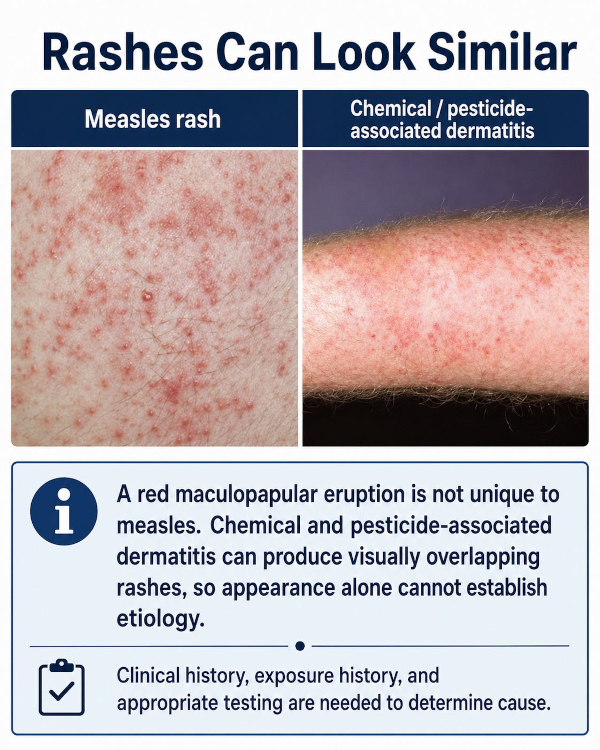
Fact two: Symptomatic pyrethroid pesticide exposure produces skin rash, dermatitis, respiratory irritation, fever-like malaise, headache, nausea, and eye irritation — a symptom cluster that overlaps meaningfully with the prodromal and early rash phase of measles. Pennsylvania’s own Department of Health guide to pesticide exposure warns clinicians:
“Pesticide poisonings can be difficult to diagnose because the signs and symptoms are often nonspecific and present similarly to common colds, flu, or stomach viruses… Many pesticide illnesses go unrecognized due to nonspecific clinical presentation. Most pesticides do not have a biological test (e.g., biomarkers in blood or urine) to indicate exposure.”
— PA Department of Health, Pesticide Exposure: Guide for Health Care Providers
The peer-reviewed literature is unambiguous. Pyrethroid dermal exposure produces “pruritus, erythema, burning and blisters” starting “30 min to 2 h after exposure” (PMC10767630, Acute cypermethrin and other pyrethroid poisoning). A 5-year cohort study of childhood pyrethroid exposure found doubled odds of “itchy rash” among children with elevated urinary pyrethroid metabolites (OR 2.74, 95% CI 1.33–5.60), independently associated with asthma, wheeze, and lower respiratory tract infection (PMC9533533, Respiratory and allergic outcomes among 5-year-old children). The New York State Department of Health’s pesticide poisoning registry lists pyrethroid-associated diagnoses including dermatitis, hives, pruritus, respiratory irritation, and fever-like systemic symptoms (NY DOH Pesticide Poisoning Registry).
Now combine the two facts with the fieldwork.
Pennsylvania is:
1. Fogging pyrethroids through the same townships where an emergency MMR vaccination campaign is running.
2. Administering thousands of MMR doses in pop-up clinics, in-home visits, and horse-and-buggy delivery — with more than 35,000 MMR doses statewide in July 2026 alone.
3. Diagnosing measles cases in that same population using standard PCR.
A symptomatic child in an Amish family in Lancaster County in July 2026 could present with:
• A rash caused by wild-type measles infection (the state’s presumed diagnosis)
• A rash caused by MMR vaccine reaction within the 21-day post-vaccination window (occurs in ~5% of vaccine recipients, per peer-reviewed literature — PMC1318492)
• A rash caused by pyrethroid dermal/inhalation exposure from documented spray activity
• A rash caused by two or three of the above simultaneously
Standard measles PCR cannot, by itself, tell the difference between wild-type virus and MMR vaccine strain.
The correct scope of the ambiguity is narrower than “any of these three could be miscounted as measles.” Pesticide dermatitis does not produce measles RNA, and a properly-run RT-PCR will therefore be negative on a pure pesticide-only rash. The real diagnostic ambiguity is at the point where measles RNA is detected in a recently-vaccinated person: standard MeV RT-PCR alone cannot tell whether that RNA is wild-type virus or vaccine strain shed after recent MMR administration.
CDC’s own surveillance case definition includes a safeguard for exactly this: laboratory evidence used to classify a confirmed measles case must be “not explained by MMR vaccination during the previous 6–45 days” (CDC Surveillance Manual Chapter 7). Whether Pennsylvania’s outbreak-response case investigations have systematically applied that safeguard — obtained recent vaccination history from every RNA-positive patient, submitted specimens to CDC or a validated APHL reference lab for MeVA testing or nucleoprotein-gene sequencing whenever a recent MMR is documented, and excluded vaccine-strain cases from the 497 count — is not knowable from anything the state has published.
Where Program B pesticide exposure enters the picture is not in generating false positives on a measles PCR. It is in the parallel differential-diagnosis burden on treating clinicians: a symptomatic child in a fogging zone who also has a documented rash may have measles, may have an MMR reaction, may have pyrethroid-associated dermatitis or respiratory symptoms, or some combination — and pyrethroid exposure enters the differential diagnosis of a patient presenting with rash and nonspecific systemic symptoms. Pennsylvania’s public reporting has not disclosed which differential-diagnosis and confirmatory-testing protocols were used to sort these presentations.
Reasonable question the state has not answered: Without case-level information showing how Pennsylvania excluded recent MMR reactions among RNA-positive patients — how many of the 497 confirmed cases received MMR in the 6–45 days prior to specimen collection, how many were submitted for MeVA vaccine-strain testing or nucleoprotein-gene sequencing at a WHO reference laboratory, and what the vaccine-strain-vs-wild-type breakdown of those confirmatory tests was — the public cannot independently determine how often specialized vaccine-strain testing was necessary or performed. For patients in townships and ZIP codes within the drift envelope of documented Program B pyrethroid activity in the 30 days prior to symptom onset, what differential-diagnosis and environmental-exposure protocols were used?
The state has never made these numbers public. The RTKL request being filed alongside this piece includes an explicit records demand for this data.
Question six: Why is nobody in state government publicly reconciling any of this?
The Pennsylvania Department of Health has, in the last four months:
• Held a Governor’s press conference with the CEO of Lancaster General Health at Women and Babies Hospital
• Released public statements from Governor Shapiro, DEP Secretary Jessica Shirley, DOH press secretary Neil Ruhland, and county health officials
• Presented at the Association of Immunization Managers about “Responding to Measles Outbreaks in High Priority Populations”
• Coordinated with Lancaster EMS, local FQHCs, six school-based Vaccines for Children sites, and the ChildProtect program
Not once, in any of the above communications, has any state official publicly addressed:
1. That Program A (the largest black-fly aerial Bti larvicide program in North America) and Program B (residential ULV synthetic-pyrethroid adulticide fogging) are both operating across multiple counties during the outbreak-response window, including at least two confirmed outbreak counties (Lancaster and Lebanon)
2. That the Program B ULV pyrethroid truck program is operating in outbreak counties in the same weeks as the MMR pop-up clinic campaign
3. That the West Nile Virus disease burden they cite as justification for the pyrethroid program is orders of magnitude smaller in the affected pediatric demographic than the measles risk they cite as justification for the vaccination push
4. That the peer-reviewed toxicology of the specific active ingredients being applied documents pediatric immune, neurodevelopmental, and respiratory effects — the exact organ systems and demographic they claim to be protecting via the MMR campaign
5. That standard measles PCR cannot, by itself, distinguish MMR vaccine strain from wild-type virus in a recently-vaccinated person, and that pyrethroid exposure enters the differential diagnosis of a patient presenting with rash and nonspecific systemic symptoms — meaning Pennsylvania has not publicly documented how it excluded recent MMR reactions among RNA-positive patients, or how it accounted for environmental co-exposures in outbreak-response case investigations
6. Whether they conducted any co-exposure analysis, whether they considered pausing spray operations during the outbreak, or whether they briefed Plain-community bishops about the concurrent programs
Reasonable question the state has not answered: Silence on a factual convergence this documentable, from an agency this well-staffed with communications professionals, is itself a decision. What is the reason for the decision?
What this piece is asking for
Not for the fogging to stop tomorrow. Not for the vaccination push to stop tomorrow. Not for any assertion that one caused, is causing, or will cause the other.
The ask is a pause and an accounting:
1. Suspend AquaDuet ULV truck operations in Lancaster and Lebanon counties for the duration of the measles outbreak response, unless and until an independent pediatric co-exposure risk assessment is published for public review. The precautionary principle applied to vaccination status must be applied to inhaled pesticide exposure of the same children.
2. Publish the 2026 spray log in full. Every date. Every township. Every product. Every application rate. Every vector-index trigger value. Every complaint received. This is what the parallel Right-to-Know Law requests being filed with Lebanon County, PA DEP, PA DOH, and Lancaster County will force into public record within the next 30 days.
3. Publish the ZIP-code and census-tract-level geography of both the measles cases and the MMR clinic sites, alongside the genotype-confirmation status of each case, so that independent researchers can cross-reference spray zones against infection clusters, vaccination campaign targeting, and confirmed wild-type vs vaccine-strain diagnosis.
4. Directly answer, in writing, the six questions above. Not through press releases. Not through spokespersons. In signed statements from DEP Secretary Shirley, DOH Acting Secretary Bogen, and Lancaster/Lebanon Mosquito-Borne Disease Program specialist Lydia Mohn — the three officials with direct programmatic authority over the operations in question.
The requests are being filed today. The five-day statutory clock starts tomorrow. Every response, every redaction, every denial will be published as it arrives.
A note on the political stakes
This piece deliberately isolates the spraying, toxicology, geographic-overlap, and diagnostic questions from the broader political drama surrounding the Pennsylvania measles response. That drama is real and consequential, and it is documented in three companion posts in this series:
• The “Measles Death” Message Was Loaded — how two separately funded political organizations, Protect Our Care and 314 Action, deployed poll-tested anti-Republican and anti-Kennedy attack lines within hours of Pennsylvania’s death announcement, before the state had shown that measles caused either death.
• Blood on Whose Hands? Inside Governor Shapiro’s Vaccine War Room — the two vaccine manufacturing plants in Lancaster County, Shapiro’s five-year war-room partnership with Protect Our Care, and the executive order that says the quiet part out loud.
• Trump Just Pointed at the Low Autism Rates in Unvaccinated Amish. Here’s the Study They Buried and the Cohort They’re Erasing. — the 2010 Amish autism screening study that never published its vaccination-stratified analysis, and the demographic and policy pressures that may eliminate the population needed for further study.
None of the arguments in the current piece depend on any of that political context. The state has an obligation to answer the six questions above regardless of who wins the messaging war around them. But readers deserve to know that the ground being contested here sits inside a much larger institutional and political operation.
What this piece is not
It is not a claim that pyrethroid fog caused the measles outbreak. Measles is a paramyxovirus. Its transmission mechanism is respiratory droplets. There is no biologically plausible pathway by which AquaDuet or Biomist could cause measles.
It is not a claim that the vaccine push is coordinated with the spray program in the sense of a single planning meeting where officials agreed to run both operations. What is documented, and what deserves public accounting, is that two chemical operations targeting the same population in the same weeks were run by the same state government without public acknowledgment of the overlap.
It is not a call for the Amish community to refuse medical care or refuse to speak with public health workers. It is a call for the state to conduct itself in a way that a religiously distinctive, physically healthy, agrarian community can freely evaluate what is being applied to their bodies, their children’s bodies, their air, their water, and their farmland — with the same access to information that any English family in Lancaster County would demand.
When a state runs a chemical intervention against a defined vulnerable population during an emergency response, the state has an affirmative burden to publicly account for every other chemical intervention it is simultaneously running against the same population in the same geography.
Not to prove innocence. To respect the public.
Pennsylvania has not met that burden. This piece is one attempt to force the meeting of it.
Please share this X thread and investigation with others. We need to protect the Amish communities.
![FireShot-Capture-948---EXCLUSIVE_-They-Are-Spraying-Neurotoxins-Over-the-Outbreak-Amish-Co_---[sayerji.substack.com].jpg](https://fls-a0de34a7-7f40-4480-890f-5c01779c21d4.laravel.cloud/6248/FireShot-Capture-948---EXCLUSIVE_-They-Are-Spraying-Neurotoxins-Over-the-Outbreak-Amish-Co_---%5Bsayerji.substack.com%5D.jpg)
Sources — every claim traceable
Every URL cited above is a primary source that has been fetched, read, and verified. Additional documentation, including the full toxicology dossier for AquaDuet / Biomist 3+15 / PermaSease 4-4, the pyriproxyfen / Zika microcephaly precedent memo, the spray-vs-measles geographic overlap analysis, and the ready-to-file RTKL request package, is available in the project’s working files.
Companion reading in this series:
• The Measles Certainty Gap — The full evidentiary treatment of what measles PCR, genotyping, and vaccine-strain shedding can and cannot prove. Reviews 21 primary sources including the 1995 Rota CDC urine study, the 2024 Washam shedding cohort, and the 2017 Minnesota outbreak genotyping data. Foundational to the diagnostic argument in Question 5 above.
• The Amish Are Being Targeted in Two States. Pennsylvania Calls It Outreach. New York Calls It Enforcement. — The institutional network behind both the Pennsylvania persuasion campaign and the New York coercive fines. One state runs buggy clinics and in-home visits. The other repealed religious exemption and started collecting.
• Pennsylvania Is Executing the Most Aggressive State Vaccination Campaign in Modern History — The multi-generational architecture of the outreach program, the raw-milk enforcement overlay, the school exemption pressure, and the opaque state task forces.
• Blood on Whose Hands? Inside Governor Shapiro’s Vaccine War Room — The two vaccine manufacturing plants in Lancaster County, Shapiro’s five-year war-room partnership with Protect Our Care, and the executive order that says the quiet part out loud.
• The “Measles Death” Message Was Loaded — How two separately funded political organizations deployed poll-tested attack lines within hours of Pennsylvania’s death announcement, before the state had shown that measles caused either death.
• Trump Just Pointed at the Low Autism Rates in Unvaccinated Amish. Here’s the Study They Buried and the Cohort They’re Erasing. — The 2010 Amish autism screening study that never published its vaccination-stratified analysis, and the demographic and policy pressures that may eliminate the population needed for further study.
Corrections policy: If any figure above is inaccurate, or any source is mischaracterized, corrections will be published in-line, with edit history preserved. Reader submissions of local documentation, county-level records, or in-community observations are welcomed.
A closing note. The piece you are reading was constructed entirely from state government sources, EPA regulatory records, CDC/ATSDR toxicology, and peer-reviewed medical literature. Not one claim depends on an advocacy source. Not one number was estimated. Every question is a question that Pennsylvania’s own briefing documents leave open. The answers, if they come, will change the picture. That’s what accountability looks like.
No hay comentarios:
Publicar un comentario