Washington’s Deployments in the Pacific
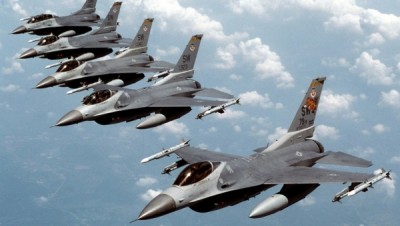
The language never reflects the actual conduct. Deploying
weapons to a region in greater numbers is not seen as provocative, even
if placing such items in a theatre of operations is bound to get
neighbours nervous. This is particularly the case about the US
“rebalance” in the Asia-Pacific. “The ongoing deliberations,” notes
John J. Hamre of the Centre for Strategic and International Studies,
“are shaped more by the legacy of the past (for example arguing about
where to relocate particular facilities) than by the security
imperatives of the next thirty years.”
In the background, China lurks as both threat and opportunity – as
long as the appropriate moves are made on its part to accommodate the
wishes of Washington and its allies. Grow and flourish, by all means
but do so within neatly demarcated parameters of power interests.
Enemies can be refashioned and rebranded overnight, even if they do tend
to hold the credit strings.
This is the backdrop of the remarks made last week by David Shear,
the US Defence Department’s Assistant Secretary for Asian and Pacific
Security Affairs. Before the US Senate Foreign Relations Committee on
Wednesday, Shear explained that Washington would “be placing additional
air force assets in