Sayer Ji
May 27, 2026
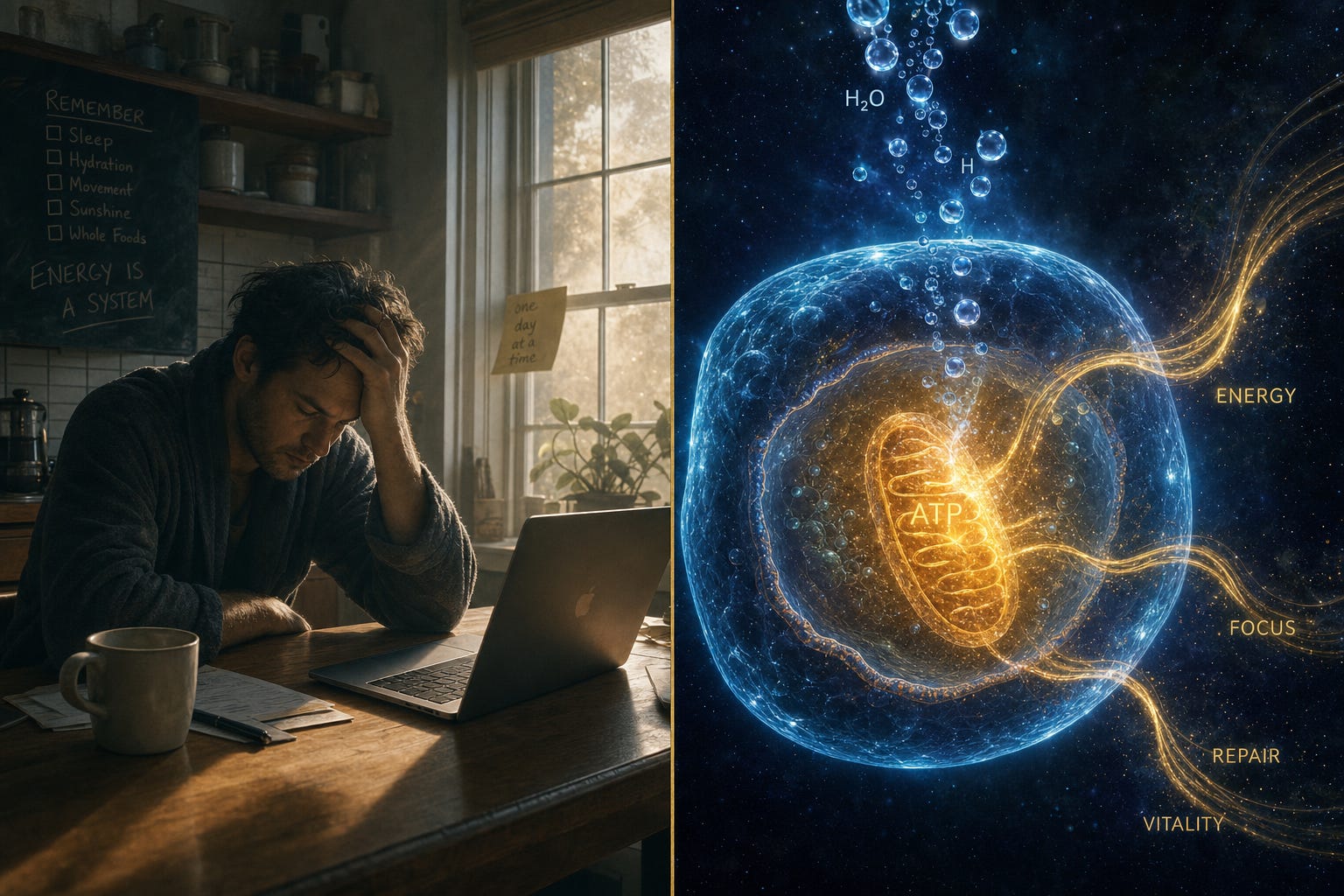
There is a question that almost no physician asks the chronically fatigued patient sitting across from them: What kind of water are you drinking?
Not how much. What kind.
Because here is the problem that most hydration conversations — even the good ones — never reach: drinking more water is not the same as hydrating your cells. The two can diverge dramatically depending on the mineral matrix, ionic structure, and biological compatibility of what you are actually consuming. A person who faithfully drinks eight glasses of reverse osmosis water every day may still be operating in a state of chronic cellular dehydration — because the water they are drinking water that carries no mineral signal the cell can read, leaching minerals on its way through, and never reaches the structured, bioavailable form that the body evolved to use.¹
This is the distinction I have come to call biological water — and understanding it changes everything about how we think about fatigue, cellular energy, and what genuine hydration actually requires.
The Energy Crisis Nobody Is Diagnosing
Chronic fatigue is one of the most common complaints in modern clinical medicine. It has generated an entire diagnostic ecosystem: adrenal fatigue, mitochondrial dysfunction, thyroid dysregulation, chronic fatigue syndrome, post-viral syndromes, and a sprawling supplement market offering solutions to a problem the model may never have correctly identified.
The question that rarely gets asked is the most elementary one: Is the cell short on the substrate it needs to generate ATP in the first place?
Not the nutrient substrate. The water substrate.
Dr. Fereydoon Batmanghelidj — the Iranian-American physician whose book Your Body’s Many Cries for Water first surfaced this architecture in clinical terms — spent decades arguing that chronic, low-grade, unrecognized dehydration underlies a far wider range of degenerative disease than medicine has been willing to examine.² His clinical observations were striking. Patients who had made no progress on intensive supplement programs suddenly showed dramatic shifts — in cholesterol, in energy, in cognition — within weeks of correcting their water intake.

But the deeper story is not simply about volume. It is about the mechanism. And the still largely underreported mechanism begins inside the mitochondria.
What the Textbooks Left Out
Open any biochemistry textbook and you will find the same architecture repeated without qualification.
Energy comes from food. Glucose — a six-carbon sugar derived from the breakdown of carbohydrates, proteins, and fats — enters glycolysis, a ten-step enzymatic sequence that yields two molecules of ATP. The pyruvate that results moves into the mitochondria, threads through the citric acid (Krebs) cycle, and finally, via oxidative phosphorylation on the inner mitochondrial membrane, generates 34 more ATP molecules. Total: 38 ATP per glucose molecule — presented as the primary and essentially sole source of bioenergetic currency in every cell in the body.³
This framing is not wrong, exactly. It is radically incomplete.
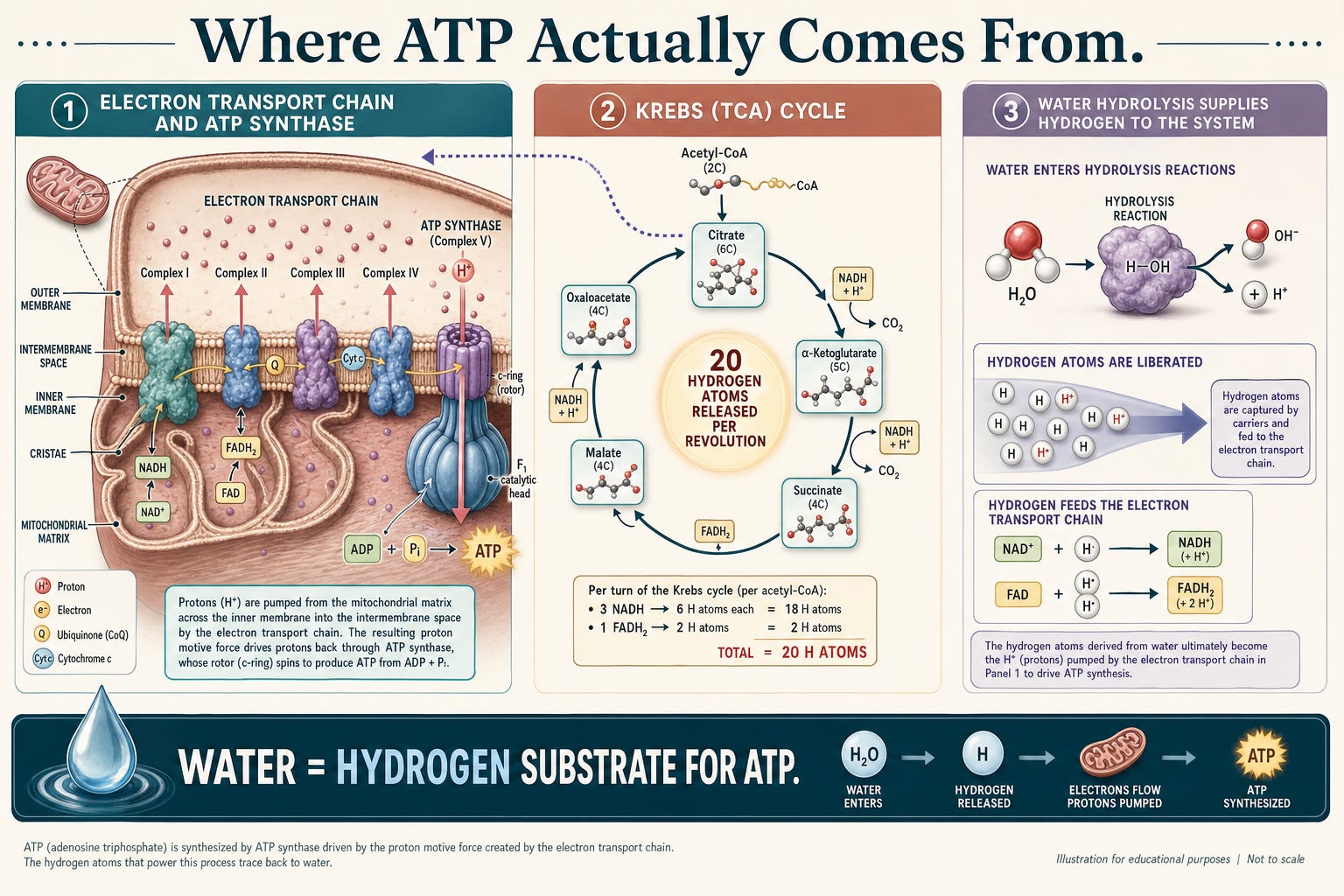
The Krebs cycle releases approximately 20 neutral hydrogen atoms per revolution. These atoms are the essential feedstock for the 34-ATP windfall of oxidative phosphorylation. Without them, the entire downstream energy cascade fails. The question of where those hydrogen atoms come from is treated in textbooks as a footnote — mentioned almost in passing.
They come from water.
Specifically, from hydrolysis — the chemical reaction in which water molecules react with the intermediary metabolites of glucose breakdown, releasing hydrogen atoms into the chain.⁴ As Dr. Batmanghelidj observed in his clinical review of the literature: water is not a passive solvent in this process. It is as critical to ATP production as glucose itself — because without sufficient water available at the mitochondrial level, insufficient hydrogen atoms are generated to run the oxidative phosphorylation chain at full capacity.⁵
This means that the energy you experience as vitality, cognition, motivation, and muscular strength depends not only on what you eat, but on how hydrated your cells are at the biochemical level.
That is not a wellness claim. That is standard biochemistry — with a piece missing from the standard telling.
The Hydroelectric Architecture: Your Cells Are Powered by Water
The mechanism runs deeper still.
The interior of the cell maintains a higher osmolality — a higher solute concentration — than the surrounding extracellular fluid. Scientists have precisely calculated this ratio at approximately 1.1 (intracellular) to 0.8 (extracellular) in a healthy cell.⁶ Because water flows from lower to higher concentration across a permeable membrane, water continuously passes inward through the cell wall — 24 hours a day, for the entire life of the cell.
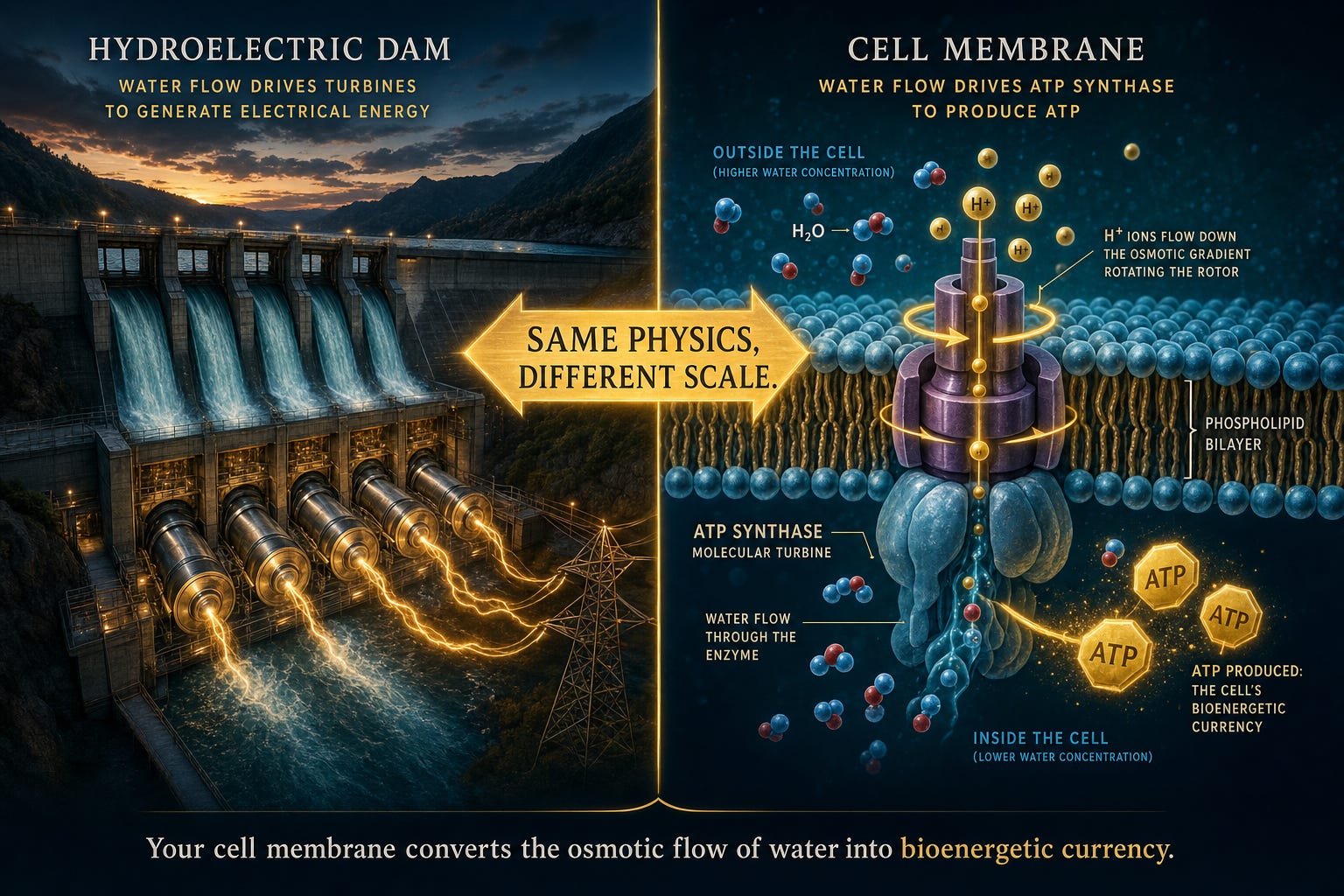
To manage this constant inward flow, cell membranes operate the sodium-potassium ATP pump — a system every first-year medical student learns. But here is the piece the professors typically omit, and which Batmanghelidj identified from the primary literature: the movement of water into the cell through the membrane does not merely create a problem the pump must solve. It generates an immense source of energy. The osmotic flow of water acts as a microscopic hydroelectric turbine — producing more ATP than the pump process itself consumes.⁷
This is not metaphor. It maps directly onto the electromagnetic physics inside the mitochondrion itself. As I explored in yesterday’s post on the methylene blue debate, the inner membrane of a single mitochondrion maintains an electric field of approximately 30 million volts per meter — comparable in density to a lightning bolt — arising from a voltage of roughly 150 millivolts across a membrane just 5 nanometers thick.⁸
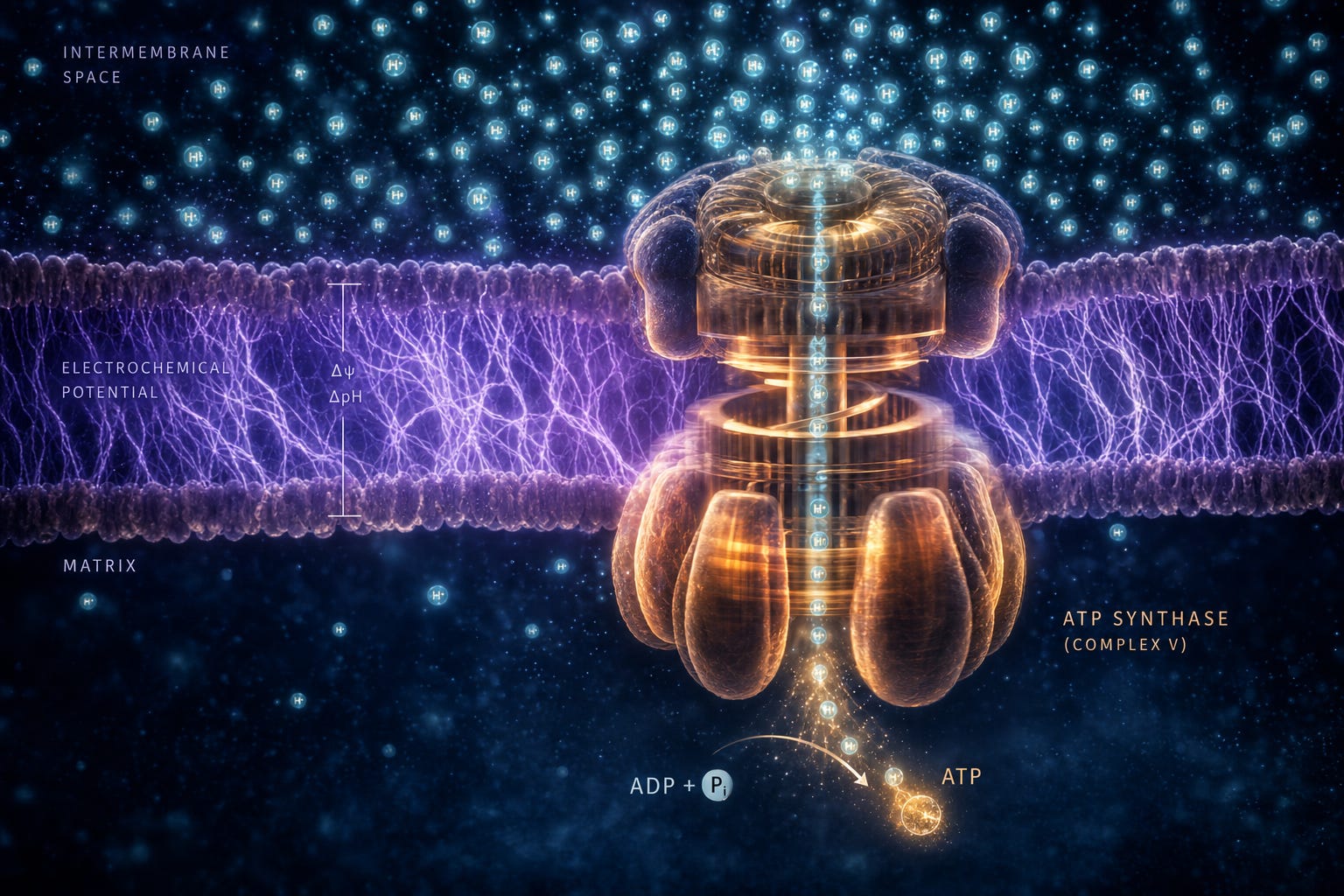
Harnessing this gradient is a molecular turbine called ATP synthase, whose rotor spins at up to 9,000 RPM as protons cascade down the electrochemical gradient — minting three molecules of ATP per rotation, recycling roughly the body’s own weight in ATP every single day.⁹ Water is the medium through which this entire electromagnetic architecture operates.
Dehydrate the system and you are not simply losing fluid. You are throttling the turbine.
Dr. Batmanghelidj proposed — drawing from primary literature — that up to 90% of all energy stored as ATP may derive not from the breakdown of glucose, but from the hydroelectric processes at the cell membrane’s cation pumps.¹⁰ If that figure is even directionally correct, the implications for how we understand fatigue, disease, and the role of water in human biology are profound.
And there is one further layer. ATP itself releases its stored potential energy through hydrolysis — the reaction of ATP with water to form ADP. Researchers have calculated that while ATP contains the equivalent of approximately 600 relative units of energy in its high-energy phosphate bond, the hydrolysis of ATP releases a total of approximately 6,435 units of usable energy — more than ten times the potential energy contained in the bond itself.¹¹ Water is embedded in the energy architecture not only at the input end (providing hydrogen for ATP synthesis) but at the output end (amplifying the energy released when ATP is spent). Dehydration compromises both ends of the system simultaneously.
The Brain Pays First
The body does not distribute the consequences of dehydration evenly.
The brain weighs roughly two and a half pounds, yet consumes 20 to 25% of the body’s entire energy output — making it the most metabolically expensive organ in the body relative to its mass.¹² Its neurons consist of approximately 85% water in their healthy state — significantly higher than the 75% water content of most other body cells.¹³
Even subtle, subclinical dehydration that reduces the water content of those neurons impairs glucose metabolism, ATP production, and cellular energetics. The consequence, at one end of the spectrum, is mild fatigue, depression, and cognitive malaise. At the more serious end of chronic water deficiency, the trajectory points toward neurological disease.¹⁴
The trajectory from “I’m tired all the time” to “I can’t concentrate” to “something is neurologically wrong” may not require a novel pathogen or a genetic misfortune. It may require only the sustained failure to provide the brain’s neurons with sufficient water — and, critically, with water structured in a form those neurons can actually absorb and use.
The Thirst Signal Has Already Failed
Here is the piece of the architecture that makes chronic cellular dehydration so difficult to self-diagnose.
In states of chronic dehydration, the thirst regulatory system in the brain downregulates. The body learns not to signal thirst, even when water is urgently needed.¹⁵ Most people suffering from chronic low-grade dehydration report no sensation of thirst whatsoever. The most intuitive measure of hydration status — “do I feel thirsty?” — is precisely the signal that fails first and most completely in the people who need water most.
The body is not broken. It is adapting to a sustained stress. But that adaptation, left unaddressed, cascades across energy production, membrane integrity, cholesterol metabolism, insulin signaling, and neurological function in ways that become progressively harder to reverse.
The Caffeine Trap: A Self-Reinforcing Architecture of Depletion
The modern response to low energy is a caffeinated beverage — coffee, black tea, energy drinks, wellness tonics branded as “natural energy.” The logic seems sound: caffeine increases alertness, and alertness feels like energy.
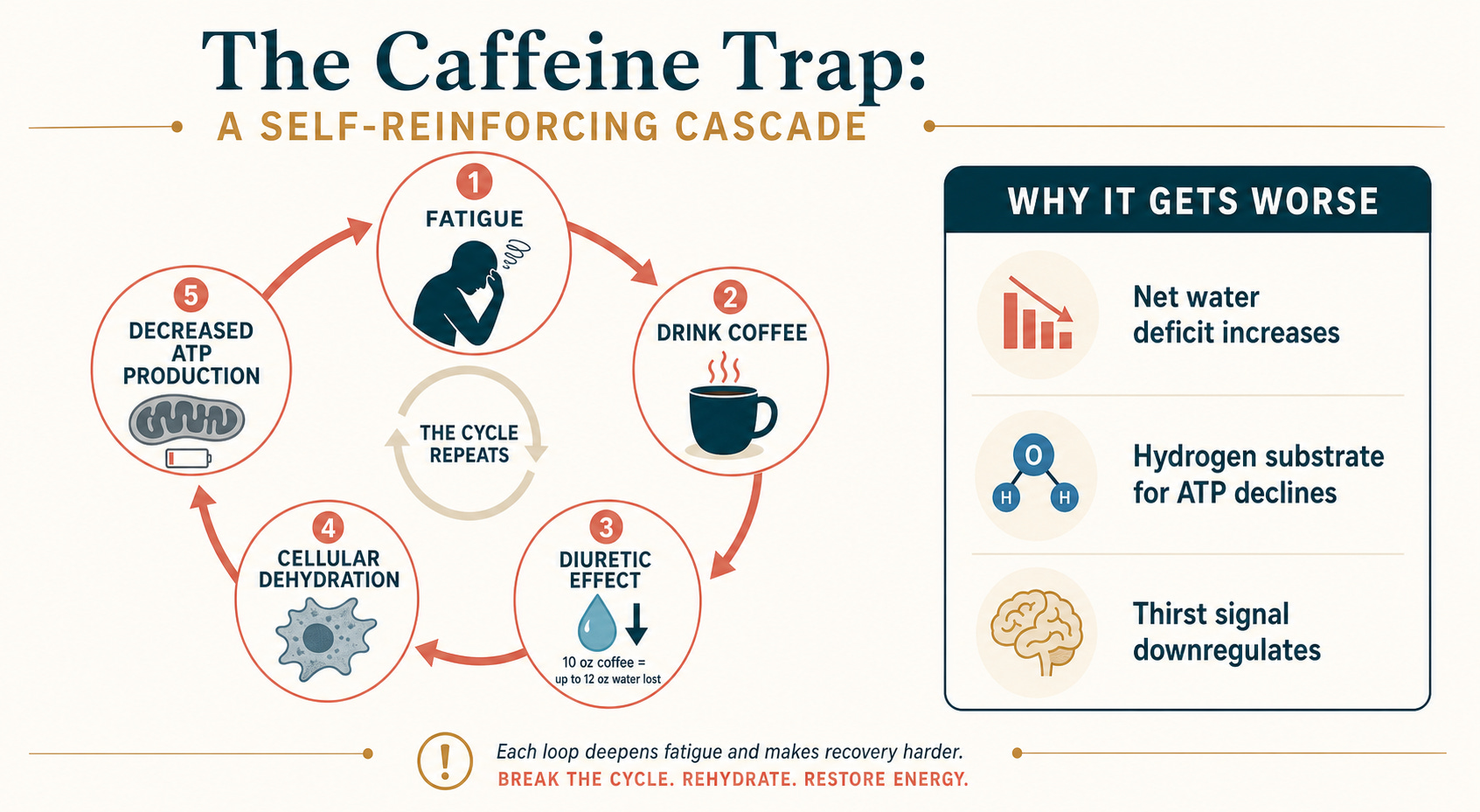
But caffeine is a well-established diuretic. For every 10 ounces of a caffeinated beverage consumed, the body can lose up to 12 ounces of water — a net deficit rather than a net contribution to cellular hydration.¹⁶ Even non-caffeinated herbal teas, widely assumed to count as healthy hydration, carry a diuretic load from the complex combination of bioactive compounds and high potassium levels they contain, creating an osmotic effect that draws water out rather than delivering it.¹⁷
The fatigued person drinks coffee to feel alert. Their cells become more dehydrated. ATP production declines. The fatigue deepens. They drink more coffee. The architecture of the problem self-reinforces, and the root cause — cellular water deficit — is never addressed, because the conventional conversation never identified it correctly in the first place.
What Cholesterol Is Actually Telling You
The water deficit leaves signatures across the body that get misread as independent disease states.
Water functions as the primary adhesive in cell membranes — its electrically charged polar surfaces maintain the complex lipid and protein molecules of the membrane structure in their proper positions, governing the movement of nutrients into cells and waste products out. In a state of chronic water deficiency, as water levels in the membranes fall, nutrient transport efficiency declines and the membrane structure itself becomes less stable.¹⁸
In this situation, the liver begins synthesizing and releasing cholesterol into the bloodstream. This lipid can substitute for water as a membrane adhesive — a last-resort structural solution that preserves cellular membrane function when water is insufficient.¹⁹
My colleague, the late Dr. Nicholas Gonzalez — whose clinical review of this mechanism appears at GreenMedInfo²⁰ — described one patient whose total cholesterol had continued climbing toward 300 mg/dL despite intensive nutritional supplementation and a rigorous organic diet. When the patient eliminated herbal tea and substituted adequate plain water with appropriate mineral support, total cholesterol dropped 63 points within six weeks, and HDL rose substantially. Water accomplished in six weeks what a year of supplementation had not.²¹
So elevated cholesterol, in the context of undiagnosed chronic dehydration, may not be a defect to be suppressed with a statin. It may be the body’s adaptive intelligence, clearly legible once you know how to read the signal.
The Problem Plain Water Cannot Solve
This is where the standard hydration conversation — even the good version of it — stops short.
Reverse osmosis filtration has become the gold standard for household water purification, and for legitimate reasons. It removes heavy metals, pharmaceutical residues, chlorine, fluoride, and a broad range of industrial and biological contaminants found in municipal tap water. The water it produces is chemically clean.
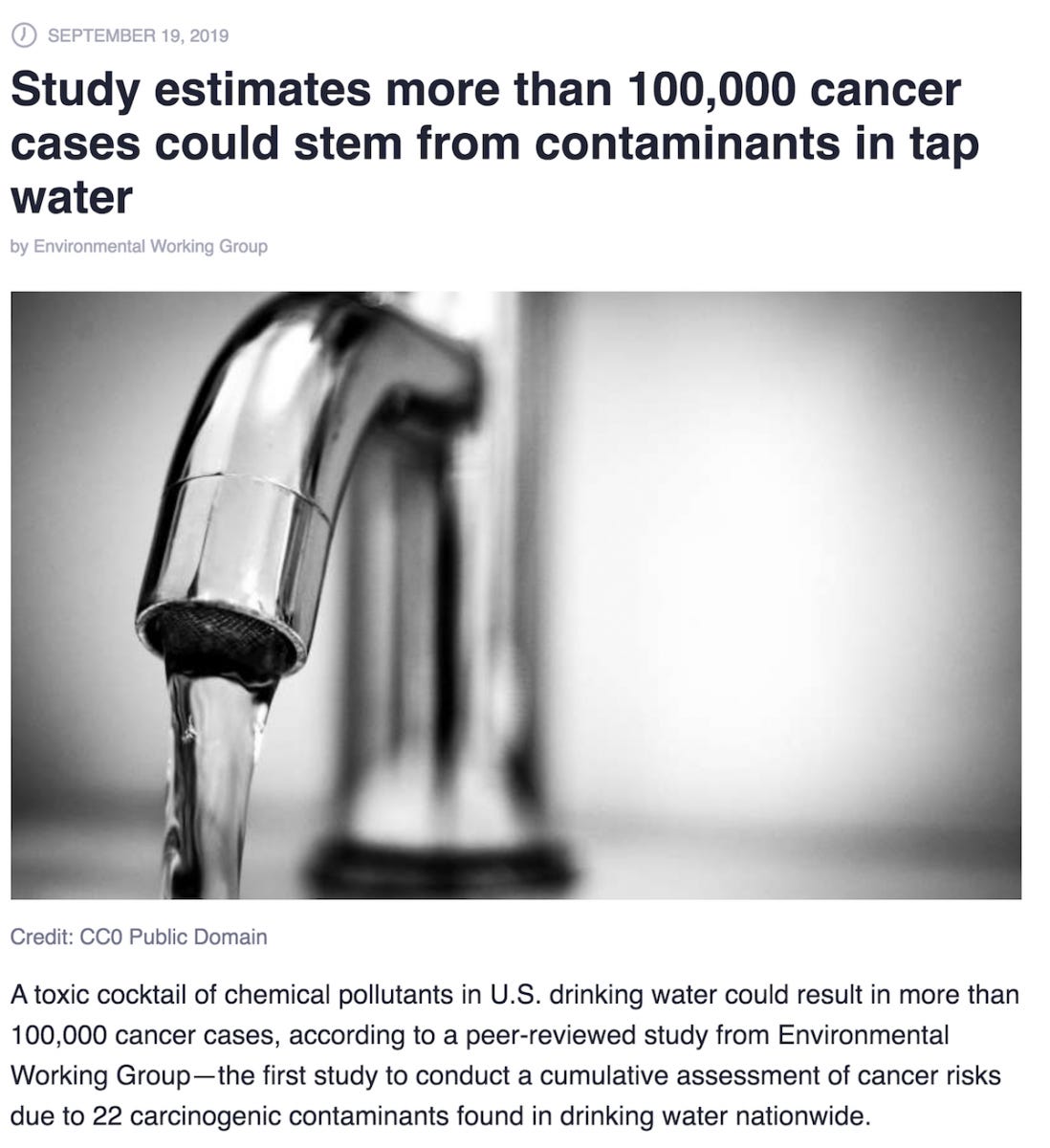
But chemical cleanliness is not the same as biological utility.
The World Health Organization, after decades of investigation, has raised formal concerns about long-term consumption of demineralized water — specifically commissioning the report Nutrients in Drinking Water to examine the health consequences of reverse osmosis and desalination.²² The core mechanism is documented: RO water removes 92–99% of dissolved minerals, including calcium, magnesium, and potassium.²³ When consumed, this mineral-depleted water does not simply fail to deliver minerals — it actively leaches them. Because the hypo-osmotic water seeks ionic equilibrium across tissue gradients, it pulls minerals out of bones, teeth, and soft tissue as it passes through.²⁴ Czech and Slovak populations who adopted RO systems for home drinking water in 2000–2002 reported cardiovascular disorders, fatigue, weakness, and muscle cramps within weeks to months of switching — symptoms consistent with acute magnesium and calcium deficiency.²⁵
Bottled water presents a parallel problem. Much of what is sold as premium bottled water is softened, demineralized, or processed in ways that strip the mineral matrix, and is contaminated with microplastics. The packaging may change. The biological deficiency may not.
There is a deeper dimension still — one that Dr. Gerald Pollack’s foundational research on the fourth phase of water has illuminated, and whose amazing Washington University laboratory I have had the immense privilege visiting in Seattle. The water inside healthy cells is not the same as the liquid water in your glass. It is a structured, gel-like, negatively charged phase — what Pollack calls Exclusion Zone (EZ) water — that forms at hydrophilic (water-loving) surfaces, including the inner surfaces of cell membranes and protein structures throughout the body.²⁶ EZ water excludes solutes, holds electrical charge, and stores energy in a way that bulk liquid water cannot. As Pollack has stated: understanding this fourth phase “may be the key to unlock the door” to many biological phenomena still not fully explained by conventional biochemistry.²⁷
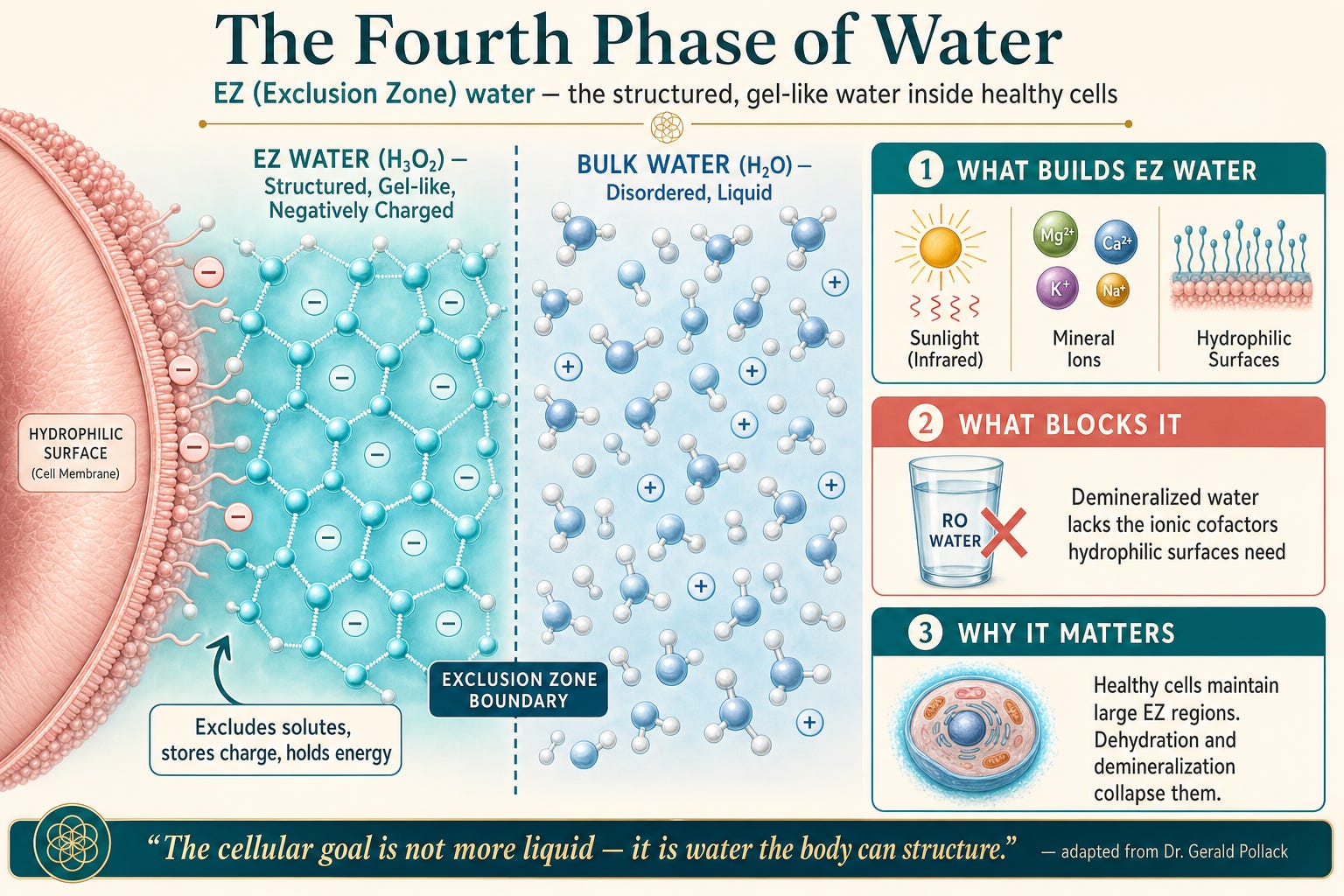
What this means practically: the cellular goal is not simply consuming more liquid. It is consuming water — and mineral cofactors — that support the body’s capacity to build and maintain EZ water inside the cell. Plain RO water, stripped of the ionic mineral matrix that interacts with hydrophilic surfaces to generate structured water, may be fundamentally incompatible with that process.
This is the problem that biological water is designed to solve.
What Biological Water Actually Is
I have been developing and refining this concept for some time — and in the video below, I walk through it in detail, including the daily ritual I use and the specific formulation I rely on when traveling, training, or moving through intense work seasons:
🌊 The Hydration Hack That Changes Everything — watch the full interview here
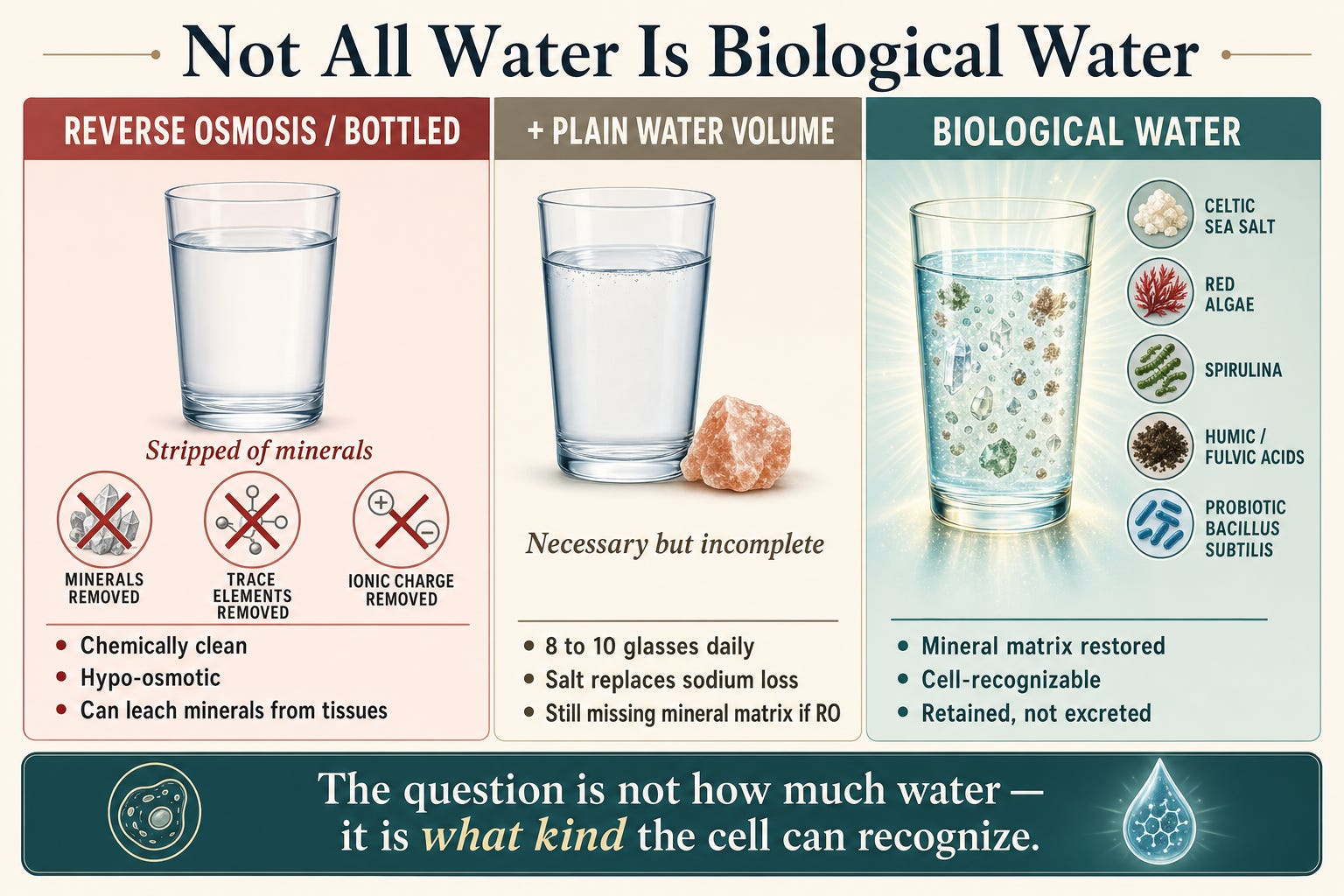
Biological water is best obtained from water-rich foods such as watermelon, celery, apples, and all the wonderful foods our ancestors harvested in whole form directly from the Earth itself. Failing adequate levels of these, the solution begins with clean water — reverse osmosis, distilled, or high-quality filtered — as the base. The purification is not the problem. The stripping is. The solution is to restore what was removed: the mineral matrix, the ionic ratios, the organic acids, and the probiotic terrain support that together transform inert H₂O back into something the body evolved to recognize and use at the cellular level.
The analogy from nature is precise. Ancient spring water, water drawn from mineral-rich geological formations, the cellular fluid of marine organisms, and the water held inside living plants all carry this mineral complexity. Human physiology evolved alongside this kind of water across millions of years. The demineralized, processed, electrically inert water that fills most of our bottles and taps is, in evolutionary terms, an extremely recent novelty — and the body’s response to it may be showing up as the fatigue, the mineral deficiency, the dysregulated thirst, and the cascading cellular energy failures that the conventional model cannot explain.
Restoring the Architecture: ViCera HYDRATE
The product I use daily to convert purified water into biological water is ViCera’s HYDRATE. It does something the leading electrolyte and sports hydration brands do not: it reconstructs the biological water architecture across multiple simultaneous layers.
The mineral foundation: Celtic® Sea Salt — hand-harvested and unprocessed, containing 82 minerals and trace elements, including three distinct forms of magnesium (chloride, bromide, and sulfate) along with the specific ratios of sodium and potassium that the formula identifies as responsible for driving hydration at the cellular level.²⁸ This is not table salt processed into a single sodium chloride compound. It is a whole mineral matrix with the ionic complexity that approaches what is found in the original marine environment from which terrestrial life emerged.
Ocean-derived trace elements: Red algae contributes calcium, magnesium, and dozens of additional trace elements in naturally occurring form — not as isolated synthetic compounds but in the matrix in which they evolved to be bioavailable.²⁹
Organically chelated trace minerals: Organic spirulina provides chromium, selenium, and copper bound as multi-amino acid chelates — the organic binding that confers bioavailability, delivering trace minerals that perspiration and daily metabolic demand continuously deplete.³⁰ The spirulina in this formula also carries phycocyanin, the blue pigment I discussed at length in yesterday’s methylene blue piece — a molecule that donates electrons productively into the mitochondrial respiratory chain with a safety profile and evidence base that no synthetic electron-shuttle compound has approached.³¹
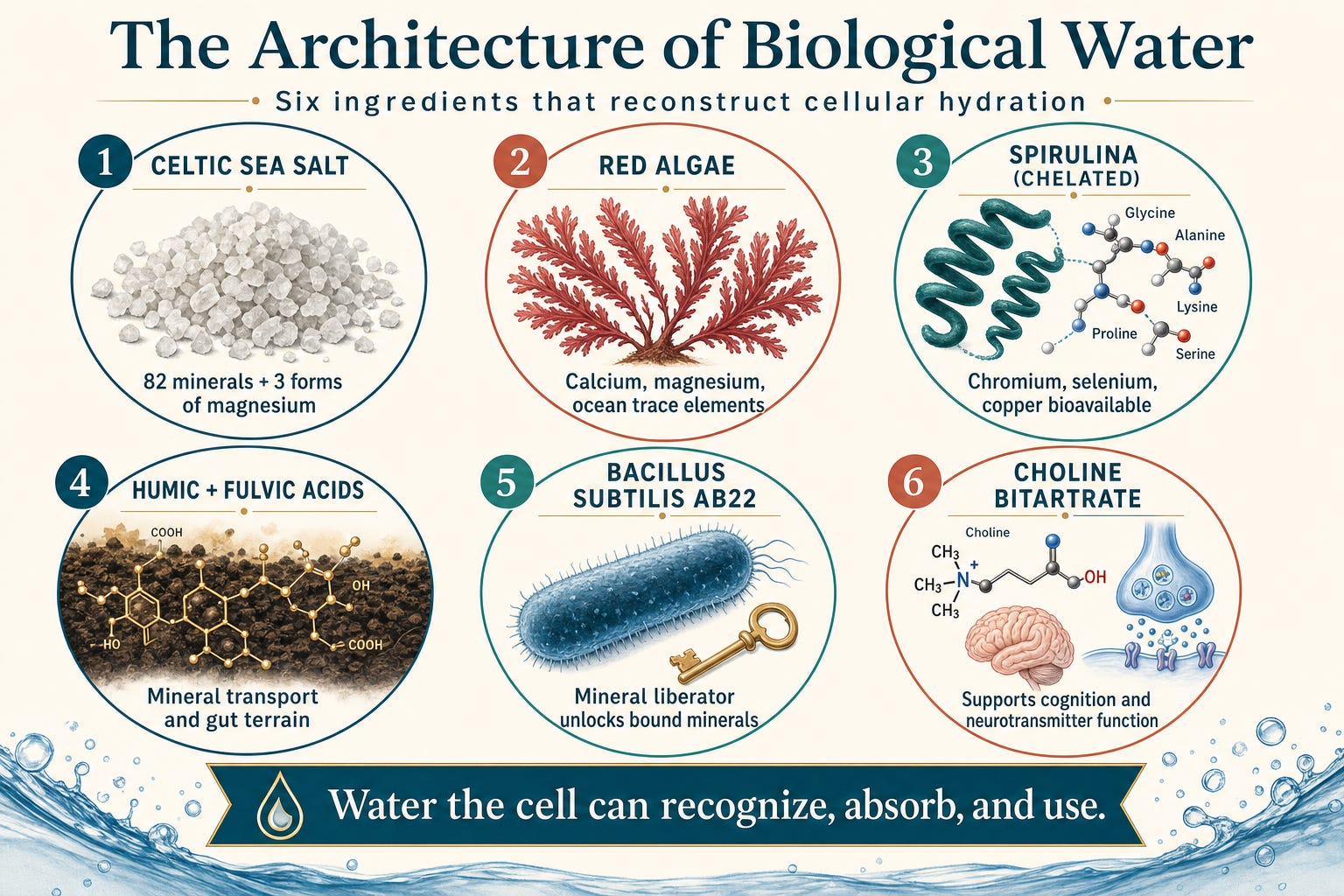
The living mineral liberation system: Bacillus subtilis AB22 — described by ViCera as a “mineral liberator” — and which we highlighted recently in our CardioNK flagship product generates enzymes that help unlock bound minerals from dietary plant foods throughout the day, extending the hydration and mineralization window far beyond the single moment of supplementation and delivering what they describe as round-the-clock mineral support.³² This is a critical distinction from static electrolyte formulas: a probiotic that actively improves the terrain of the gut through which all minerals must pass.
Humic soil extract: A broad array of organically bound minerals alongside humic and fulvic acids — functioning simultaneously as a mineral transport system, a prebiotic, and a postbiotic support mechanism that conditions the gut terrain for optimal mineral absorption.³³
Choline: Supporting neurotransmitter function and cognitive performance — a nutrient estimated to be deficient in approximately 90% of the US population.³⁴
The result, taken together, is water the cell can recognize. Not water that cycles through you and carries minerals out on its way.
HYDRATE is available in capsule form for those who want no sweeteners or flavors — ideal for use with a clean glass of water — and in Limeade and Very Berry powders for those who prefer a palatable daily drink. For the GreenMedInfo community, the greatest discount they have yet to offer — 40% off —is auto-applied through the link below, or use code HYDRATE40 at checkout:
👉 viceranutrition.com/collections/hydration

Your purchase directly supports GreenMedInfo’s research, education, and global mission.
The Complete Protocol
Synthesizing the clinical and biochemical evidence reviewed here, the practical framework is coherent:
Volume: 8 to 10 eight-ounce glasses of water daily — not substituted by tea, coffee, juice, or any other beverage. The first intervention is volume. The second is quality. [Note: I start my day by drinking a half a liter of Hydration packet infused RO-purified water, with two of the CardioNK capsules. The side benefit is that it helps with regularity, first thing in the morning - better than coffee.]
Mineral reconstitution: If your water source is RO or demineralized, a biological water formula that restores the complete ionic and organic mineral environment is the correction — not an optional enhancement. For each 10 glasses of water, Dr. Batmanghelidj also recommended approximately half a teaspoon of a full-spectrum sea salt to replace what increased urination removes.³⁵
Eliminate diuretics: Remove caffeinated beverages as primary liquid intake. Reduce herbal teas, particularly for those already experiencing fatigue.
Do not trust thirst alone: The signal has been downregulated. Drink on a schedule, not in response to a felt need.
Consider structure: Practices that build EZ water in the body — sunlight exposure, infrared light, grounding, and movement — work synergistically with mineral-rich hydration to support the cell’s capacity to maintain its structured water matrix.³⁶
The Body Has Not Forgotten How to Generate Energy
The fatigue that plagues modern life — the mid-afternoon collapse, the morning fogginess, the chronic malaise that no supplement entirely resolves — is not an unsolvable mystery.
In many cases, it is a water deficit expressing itself through the only language the body has: disrupted function. And in a significant subset of those cases, the water being consumed is not biological water. It is chemically clean but biologically inert — stripped of the mineral matrix, the ionic complexity, and the structural potential that the cell evolved to use as its primary energy substrate.
The mechanism is not speculative. The hydrogen atoms that feed oxidative phosphorylation come from water. The hydroelectric gradients at the cell membrane generate the majority of cellular ATP. The amplification of ATP’s energy potential through hydrolysis requires water. The structured EZ water inside healthy neurons requires a mineral-rich, ionically complex water environment to form and sustain itself. And the thirst signal that would alert us to any of this failure has already been silenced by the very dehydration it was designed to detect.
This is not a call to abandon every other intervention. It is a call to restore the most fundamental substrate first — before adding complexity to a system that may simply be running on the wrong kind of water.
The body is not broken. It is waiting for water it can recognize.
For the full discussion of the biological water concept and the daily protocol I use personally, watch the interview: 🌊 The Hydration Hack That Changes Everything.
For the deeper dive into mitochondrial ATP dynamics — the 30-million-volt electric field, the ATP synthase rotor, and the energy architecture your mitochondria are running right now — read yesterday’s post: The Methylene Blue Mistake.
For the foundational clinical and biochemical review: Water, Energy, and the Perils of Dehydration at GreenMedInfo.
For biological water in practice: ViCera HYDRATE — code HYDRATE40 for 40% off.
Endnotes
¹ Kozisek F. Health Risks from Drinking Demineralised Water. World Health Organization, Nutrients in Drinking Water, 2005. Available at: https://www.who.int/water_sanitation_health/dwq/nutrientschap12.pdf
² Batmanghelidj F. Your Body’s Many Cries for Water. 3rd ed. Global Health Solutions; 2008. Available at: https://www.amazon.com/Your-Bodys-Many-Cries-Water/dp/0970245882
³ Berg JM, Tymoczko JL, Stryer L. Biochemistry. 8th ed. W.H. Freeman; 2015. Chapters 16–18 (Glycolysis, Citric Acid Cycle, Oxidative Phosphorylation). Available at: https://www.ncbi.nlm.nih.gov/books/NBK21154/
⁴ Ibid. The role of water molecules (hydrolysis) in releasing hydrogen atoms for the Krebs cycle and oxidative phosphorylation chain is described in the NAD⁺/NADH and FAD/FADH₂ reduction steps throughout Chapter 17.
⁵ Gonzalez NJ. Water, Energy, and the Perils of Dehydration. GreenMedInfo Blog, 2023. Available at: https://greenmedinfo.com/blog/water-energy-and-perils-dehydration
⁶ Batmanghelidj F. Your Body’s Many Cries for Water, op. cit. The 1.1:0.8 intracellular-to-extracellular density ratio is discussed in the context of the sodium-potassium pump and osmotic water flow.
⁷ Ibid. Batmanghelidj describes the osmotic flow of water through cell membranes as a “hydroelectric” energy-generating process, citing primary literature on cation pump energetics. See also the summary at: https://worldwidehealthcenter.net/bodys-many-cries-water/
⁸ Lane N, Martin W. The energetics of genome complexity. Nature. 2010;467:929–934. Mitochondrial membrane potential and the derived electric field (30 MV/m) are catalogued in the Harvard BioNumbers database, entry #105801. Available at: https://bionumbers.hms.harvard.edu/bionumber.aspx?id=105801&ver=6. Discussed in detail in: Sayer Ji. The Methylene Blue Mistake: How a 19th-Century Textile Dye Became a “Mitochondrial Medicine.” Sayer Ji’s Substack, May 26, 2026. Available at: https://sayerji.substack.com/p/the-methylene-blue-mistake-how-a
⁹ Boyer PD. The ATP synthase — a splendid molecular machine. Annual Review of Biochemistry. 1997;66:717–749. ATP synthase rotor speed (~100 rotations/sec = ~6,000 RPM under physiological load, with peak estimates to 9,000 RPM) is referenced in multiple biophysics sources. Available at: https://www.annualreviews.org/doi/10.1146/annurev.biochem.66.1.717
¹⁰ Batmanghelidj F. Your Body’s Many Cries for Water, op. cit. The 90% ATP-from-hydroelectric-processes claim is drawn from Batmanghelidj’s synthesis of cation pump energetics literature, discussed in Gonzalez, op. cit.
¹¹ George P, Witonsky RJ, Trachtman M, Wu C, Dorwart W, Richman L, Richman W, Shuray F, Lenowitz F. “Squiggle-H2O.” An enquiry into the importance of solvation effects in phosphate ester and anhydride reactions. Biochimica et Biophysica Acta. 1970;223(1):1–15. Available at: https://doi.org/10.1016/0005-2728(70)90126-5. Discussed in Gonzalez, op. cit., citing Batmanghelidj’s summary of George et al.: ATP hydrolysis releases ~6,435 relative energy units vs. ~600 stored in the bond itself.
¹² Raichle ME, Gusnard DA. Appraising the brain’s energy budget. Proceedings of the National Academy of Sciences. 2002;99(16):10237–10239. Available at: https://www.pnas.org/doi/10.1073/pnas.172399499
¹³ Gonzalez NJ, op. cit. The 85% water content of neurons is cited from neurophysiology references surveyed in Batmanghelidj’s clinical review.
¹⁴ Ibid.
¹⁵ Batmanghelidj F. Your Body’s Many Cries for Water, op. cit. Chronic dehydration and thirst-mechanism downregulation are central arguments of the book, discussed across multiple chapters.
¹⁶ Maughan RJ, Griffin J. Caffeine ingestion and fluid balance: a review. Journal of Human Nutrition and Dietetics. 2003;16(6):411–420. Available at: https://doi.org/10.1046/j.1365-277X.2003.00477.x. The 10-oz-in / 12-oz-lost estimate for caffeinated beverages is discussed in Batmanghelidj, op. cit., and Gonzalez, op. cit.
¹⁷ Gonzalez NJ, op. cit. The diuretic effect of herbal teas is attributed to the combined osmotic and bioactive compound burden of the brew.
¹⁸ Batmanghelidj F., op. cit. Cell membrane adhesion and the role of water’s polarity in maintaining membrane structure are discussed in the sections on cholesterol and water deficiency.
¹⁹ Ibid. The liver’s cholesterol-synthesis response to water deficiency — cholesterol as a substitute membrane adhesive — is a central mechanistic argument.
²⁰ Gonzalez NJ. Water, Energy, and the Perils of Dehydration. GreenMedInfo Blog, op. cit.
²¹ Ibid. The patient case with 63-point cholesterol drop following water correction is reported in this clinical review.
²² World Health Organization. Nutrients in Drinking Water. WHO Press; 2005. Available at: https://www.who.int/water_sanitation_health/dwq/nutrientschap12.pdf
²³ Kozisek F, op. cit. RO systems remove 92–99% of dissolved minerals. See also: ScienceInsights. WHO Reverse Osmosis Warning: Health Risks Explained. 2026. Available at: https://scienceinsights.org/who-reverse-osmosis-warning-health-risks-explained/
²⁴ Tyent USA. The Dangers of Reverse Osmosis Water. 2024. Available at: https://www.tyentusa.com/blog/dangers-of-reverse-osmosis-water/. Citing Kozisek F (National Institute of Public Health, Czech Republic): “Sufficient evidence is now available to confirm the health consequences from drinking water deficient in calcium or magnesium.”
²⁵ Kozisek F, op. cit. Czech and Slovak RO adoption cases, 2000–2002. Within weeks to months: cardiovascular disorders, fatigue, weakness, muscle cramps — consistent with acute magnesium and calcium deficiency. Cited also at: https://atlawater.com/blogs/discover/reverse-osmosis-water-filter-health
²⁶ Pollack GH. The Fourth Phase of Water: Beyond Solid, Liquid, and Vapor. Ebner & Sons; 2013. Overview available at: https://www.pollacklab.org/research
²⁷ Pollack GH, cited in: Biodiversity for a Livable Climate. Water Isn’t What You Think It Is: The Fourth Phase of Water. Available at: https://bio4climate.org/article/water-isnt-what-you-think-it-is-the-fourth-phase-of-water-by-gerald-pollack/. See also: Ji S. The Hydration Hack That Changes Everything. Sayer Ji’s Substack, Nov 25, 2025. Available at: https://sayerji.substack.com/p/the-hydration-hack-that-changes-everything
²⁸ ViCera Nutrition. HYDRATE — Product Description: Celtic® Sea Salt. Available at: https://viceranutrition.com/products/hydrate-capsules
²⁹ Ibid. Red algae ingredient description.
³⁰ Ibid. Organic spirulina and amino acid chelate description.
³¹ Xu C, Zhang J, Mihai DM, Washington I. Light-harvesting chlorophyll pigments enable mammalian mitochondria to capture photonic energy and produce ATP. Journal of Cell Science. 2014;127(2):388–399. Available at: https://pmc.ncbi.nlm.nih.gov/articles/PMC6518289/. Discussed in: Ji S. The Methylene Blue Mistake. Sayer Ji’s Substack, May 26, 2026. Available at: https://sayerji.substack.com/p/the-methylene-blue-mistake-how-a
³² ViCera Nutrition. HYDRATE — Product Description: Bacillus subtilis AB22. Op. cit.
³³ Ibid. Humic Soil Extract ingredient description.
³⁴ Zeisel SH, da Costa KA. Choline: an essential nutrient for public health. Nutrition Reviews. 2009;67(11):615–623. Available at: https://doi.org/10.1111/j.1753-4887.2009.00246.x. The ~90% population choline deficiency estimate is drawn from NHANES dietary intake data discussed in this review.
³⁵ Batmanghelidj F., op. cit. Half-teaspoon sea salt per 10 glasses of water is the supplementation protocol recommended to replace sodium lost through increased urine output during higher water intake.
³⁶ Pollack GH. The Fourth Phase of Water, op. cit. EZ water formation is driven by infrared energy from the environment, including sunlight and body heat. Grounding, movement, and infrared light exposure have all been proposed as mechanisms that support EZ water formation in cells, discussed in Pollack Lab research summaries at: https://www.pollacklab.org/research
No hay comentarios:
Publicar un comentario