Busca en Nuestros Archivos

Busca en Nuestro Blog

Translate / Traducir

Mostrando entradas con la etiqueta breast cancer. Mostrar todas las entradas

08 abril, 2025

Breast Cancer at a Surprisingly Young Age: Are Cellular Phones to Blame?


When a 21-year-old with no family history of breast cancer presented with bloody nipple discharge and extensive tumors right where her cell phone rested in her bra, her doctors took notice. She wasn't alone - three more women under 40, all with cell phones tucked in their bras for hours each day, had nearly identical tumors. A coincidence, or cause for concern?

For years, people have questioned whether radiation from cell phones could be dangerous. While the radio waves cell phones emit are non-ionizing, meaning they don't directly damage DNA like x-rays, studies on the health effects have been mixed and inconclusive.1 Most research has focused on brain tumors, as people worried holding phones to their heads could cause harm. While some major studies have found little evidence definitively linking cell phone use to brain cancer,2,3 others raise red flags. In fact, GreenMedInfo.com, a natural health database, has indexed 28 studies to date showing an association between brain cancer and cell phone use or radiation exposure.4 These studies can be viewed on their public page on their database here. The research landscape is complex, but clearly warrants a precautionary approach.

18 marzo, 2025

How a mammogram actually causes breast cancer

 by:  | 

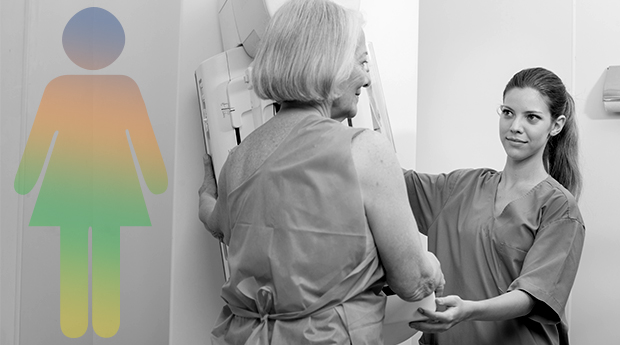
mammogram-causes-breast-cancer(NaturalHealth365)  An X-ray picture of the breast, called a mammogram, is heavily promoted as the ‘primary way to screen’ for breast cancer, according to Western medicine.  Conventionally speaking, an annual detection screening is recommended as early as age 40 by both the American Cancer Society and the National Comprehensive Cancer Network, while the United States Preventive Services Task Force recommends screenings every other year starting at age 50.

While mammogram guidelines differ amongst organizations, they all agree there are concerns about the test.  Yet, disputes exist amongst experts when it comes to mammography detecting invasive breast cancer.  So, the question remains: do the benefits outweigh the risks?

In reality, more and more studies are showing that a mammogram breast screening has some major flaws – which put women at serious health risk and actually increase the risk of cancer.

Strange logic: Zero-stage cancer detected but treated aggressively

25 octubre, 2024

Breast Cancer - 5 Articles / Cáncer de Seno 5 Artículos

Covering Up The Causes of Breast Cancer Since 1985: AstraZeneca's BCAM

The Dark Side of Breast Cancer (Un)Awareness Month

'Hidden Dangers' of Mammograms Every Woman Should Know About


Mammography False-Positives Result in 84% Higher Rate of Breast Cancer Death, JAMA Oncology Reveals

Eating Flaxseed May Reduce Breast Cancer Mortality By Up To 70%

------------------------

Covering Up The Causes of Breast Cancer Since 1985: AstraZeneca's BCAM

Posted on: 
Monday, October 10th 2022 at 8:00 am

02 marzo, 2024

Estrogen and breast cancer: The truth exposed

 by:  | 

estrogen-breast-cancer(NaturalHealth365)  Western medicine has succeeded in teaching women that their hormones, like estrogen, are the cause of their breast cancer – and it has created an industry of anti-hormone suppressing drugs such as Tamoxifen and Anastrozole and countless others in response to this claim.

But just looking at your hormone (and nothing else) is a costly mistake.  The fact is that some hormones (in excess or deficiency) can trigger cancer cell growth while others can actually help to prevent cancer.  In addition, a holistic approach to understanding the cause of cancer would have to include a closer look at what actually is causing a hormonal imbalance.

Xenoestrogens – the “bad” hormones that trigger cancer

16 octubre, 2022

Covering Up The Causes of #BreastCancer Since 1985: #AstraZeneca's #BreastCancerAwarenessMonth

Posted on: Monday, October 10th 2022 at 8:00 am

Written By: 
Sayer Ji, Founder

Covering Up The Causes of Breast Cancer Since 1985: AstraZeneca's BCAM

Did you know that AstraZeneca, manufacturer of two blockbuster breast cancer drugs (one of which is classified as a known human carcinogen), was the originator of Breast Cancer Awareness Month?

Why is it, do you think, that during Breast Cancer Awareness Month (BCAM) you never hear the word "carcinogen" mentioned, but are barraged a million times over by the word "cure"?

Truth be told, BCAM should be renamed Breast Cancer Un-Awareness Month, as it has very little to nothing to do with generating awareness about the true causes and solutions for the breast cancer epidemic and everything to do with making the public focus on a presumably not-yet-existent "cure" to be produced through the pharmaceutical pipeline somewhere off in the future only after enough money is raised. 

Instead of identifying and addressing the known causes of cancer, like the many mammary carcinogens now identified in body care products, GMO and processed foods, and our polluted environment, the mission of BCAM is to make people think that the best way to prevent breast cancer is to "detect it early."

And how?

30 octubre, 2021

WARNING: COVID-19 jab triggers false breast cancer diagnosis, according to doctors

 by: |

A group of doctors from Utah is now issuing new guidelines for mammogram screening among women recently jabbed with either the Pfizer or Moderna injection.

Post-jab side effects presenting like breast cancer, leading to an uptick in false positives following mammograms

26 octubre, 2020

Covering Up The Causes of #BreastCancer Since 1985: #AstraZeneca's #BCAM

Covering Up The Causes of Breast Cancer Since 1985: AstraZeneca's BCAM

Did you know that AstraZeneca, manufacturer of two blockbuster breast cancer drugs (one of which is classified as a known human carcinogen), was the originator of Breast Cancer Awareness Month?

Why is it, do you think, that during Breast Cancer Awareness Month (BCAM) you never hear the word "carcinogen" mentioned, but are barraged a million times over by the word "cure"?

Truth be told, BCAM should be renamed Breast Cancer Un-Awareness Month, as it has very little to nothing to do with generating awareness about the true causes and solutions for the breast cancer epidemic and everything to do with making the public focus on a presumably not-yet-existent "cure" to be produced through the pharmaceutical pipeline somewhere off in the future only after enough money is raised. 

Instead of identifying and addressing the known causes of cancer, like the many mammary carcinogens now identified in body care products, GMO and processed foods, and our polluted environment, the mission of BCAM is to make people think that the best way to prevent breast cancer is to "detect it

'Hidden #Dangers' of #Mammograms Every #Woman Should Know About

Posted on:
Thursday, April 11th 2019 at 4:30 am

Study Finds Women Still Suffering 3 Years After Breast Cancer False-Positive

Millions of women undergo them annually, but few are even remotely aware of just how many dangers they are exposing themselves to in the name of prevention, not the least of which are misdiagnosis, overdiagnosis and the promotion of breast cancer itself. 

A concerning study published in the Annals of Family Medicine titled, Long-term psychosocial consequences of false-positive screening mammography, brings to the forefront a major underreported harm of breast screening programs: the very real and lasting trauma associated with a false-positive diagnosis of breast cancer.[1]

07 mayo, 2019

#Estrogen and #BreastCancer: The #Truth #Exposed


Dr. Veronique Desaulniers

Conventional (Western) medicine has succeeded in teaching women that their hormones, like estrogen are the cause of their breast cancer – and it has created an industry of anti-hormone suppressing drugs such as Tamoxifen and Anastrozole and countless others in response to this claim.

But, just looking at hormone levels (and nothing else) is a costly mistake.

For several years, I have been teaching women that there is no need to fear their hormones. In fact, ‘Essential #3’ (Balance your Energy) of my “7 Essentials System™” is all about the importance of hormonal balance for breast health. Your hormones are part of your biological makeup and they are

28 marzo, 2019

#Ladies, #Ditch the #Bra

Louise Habakus


Evidence of a relationship between bras and breast cancer may rethink the societal convention of wearing bras.

I realize it may feel some combination of uncomfortable, unprofessional, or unnecessarily provocative. Societal convention has most of us trussing up before going out.

If you are reading this at home, do me a favor and unhook. Then keep reading.

There's Some Evidence of a Relationship Between Bras and Breast Cancer.

Yes, seriously.

Dressed To Kill: The Link Between Breast Cancer and Bras

Sydney Ross Singer and Soma Grismaijer authored a book called Dressed To Kill. They interviewed 4,000+ women in five major U.S. cities over two years. Half the women had been diagnosed with breast cancer. They found:75% of women who slept in their bras developed breast cancer1 in 7 who wore their bras 12+ hours per day developed breast cancer1 in 168 who did not wear a bra developed breast cancer

#BreastCancer #CoverUp Continues

Sydney Ross Singer


Breast cancer is one of the major killers of women in the United States. It is also one of the most overdiagnosed and overtreated conditions. Sadly, most women have no idea that simply not wearing a bra can have a major impact on the likelihood of developing breast cancer. 

You probably didn't hear about a recent study from Brazil, published in May, 2016 in the journal Advances in Oncology Research and Treatments.

Entitled, “Wearing a Tight Bra for Many Hours a Day is Associated with Increased Risk of Breast Cancer”, the study echoes another recent study, done in 2015 in Kenya, which also confirmed the bra-cancer link.

“This study demonstrated the existence of a relationship between the use of a tight bra when associated with an increased number of hours wearing it and the risk of breast cancer among pre- and post-menopausal women.”

Studies from Venezuela, Scotland and numerous studies out of China also agree. Wearing tight bras

30 marzo, 2017

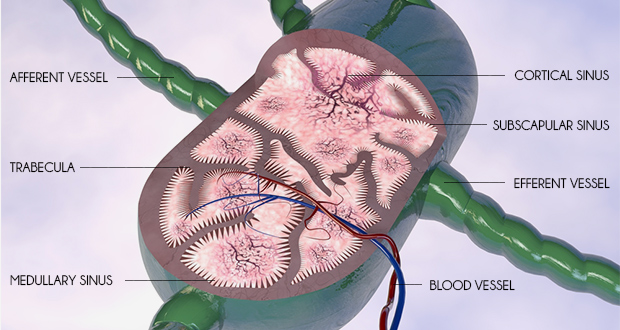
Is #Lymph #Node #Removal with #Cancer Surgery Really Necessary?

By Ann Fonfa

In a hurry? Click here to read the Article Summary...

On March 6th the lymphedema community will celebrate the 22nd annual Lymphedema Awareness Day, otherwise known as Lymphedema D-Day. But despite all these years of awareness, lymphedema is still not curable and remains “an unfortunate side effect” of conventional treatment for cancer. It’s time for the medical community to acknowledge that lymphedema is often avoidable and linked to lymph node removal.
It’s common practice for oncologists to recommend lymph node removal after cancer diagnosis. Removal of lymph nodes occurs with many cancers – breast cancer, prostate cancer, cervical cancer, colon cancer, melanoma, ovarian cancer, and others too.
The conventional medical view is that lymph nodes contain cancer cells and therefore must be removed. At the same time, cancer is a systemic disease, so

04 marzo, 2017

The #Truth About #Progesterone and #BreastCancer

By Elyn Jacobs


There’s a lot of confusion out there when it comes to the topic of progesterone and breast cancer. About 70% of breast cancers are ER+ (estrogen receptor-positive), and most of these breast cancers (about 87%) are also PR+ (progesterone receptor-positive).

Hormone receptor status has long been a main factor in considering breast cancer treatment. Many women worry when they hear that their breast cancer is both ER+ and PR+, believing this to be “double trouble.” It is time to set the record straight.

Actually, doctors have known for a long time that women with high levels of both estrogen and progesterone receptors (high ER+ and PR+ status) often have the best chance of surviving. Despite this, it appears that some oncologists may not really understand or explain one very key point…

While estrogen can fuel a tumor’s growth, progesterone puts the brakes on that growth. Hence, they leave patients in a sea of fear and confusion unnecessarily.

What are Estrogen and Progesterone Receptors, and What Do They Do?
Estrogen and progesterone receptors are proteins found within many of the cells of our bodies, including cells in the breasts. Both receptors are directly involved in switching genes on and off −

22 enero, 2017

The #Facade of #BreastCancerAwareness, #SusanGKomen and the #PinkRibbon

By Donna Pinto


It’s October and the pink frenzy for Breast Cancer Awareness has officially begun. But do you really need any more awareness? What have all the pink campaigns accomplished? Have lives really been saved? Have scientists or anyone else in the mainstream for that matter, gotten any closer to finding a “cure” for breast cancer? Or could it be that it’s just a big scam to frighten more women into getting more diagnostic tests and surgical procedures?
This article aims to help you clearly see through the pretty pink façade. You will discover why even long-time supporters of the largest breast cancer charity, Susan G. Komen (also known as Komen), have recently done a 180 degree turn. From misleading marketing claims, to repulsive corporate partnerships, to blatant conflicts of interest, the truth about Komen is being exposed.
Educated people who have learned the truth have stopped blindly supporting Komen as it has become crystal clear about their deceptive marketing tactics and questionable use of funds. In just the last few years, revenues for Komen have sharply dropped. Many intelligent women (and men) who once proudly raised money to “race for a cure” have begun to recognize “pinkwashing” for what it is.

What is “Pinkwashing?” Breast Cancer Action, a nonprofit organization known as “the watchdog of the breast cancer

04 enero, 2017

#Mammograms Cause #BreastCancer

By Dr. Ben Johnson


Video Transcript: Mammograms Cause Breast Cancer 
Dr. Ben Johnson: I wrote a book for women, The Secret of Health Breast Wisdom because we, as a medical society, are giving women breast cancer with our demanding that they get mammograms. Mammograms cause breast cancer. Period. So mammograms are not healthy for women. Women should not be getting routine mammograms. That’s crystal clear, published in the peer review literature.
And yet today, if a woman went to her gynaecologist or family doc, she would have this shoved down her throat, extreme coercion to go get this mammogram that is causing breast cancer. It’s not saving lives. You have a 4% increased risk of dying if you get mammograms, period.
Ty Bollinger: So the detection technique that we’re using, the primary technique that we use to detect breast cancer, is causing breast cancer.
Dr. Ben Johnson: Absolutely, it’s a terrible test; you know smashing women’s

14 noviembre, 2016

The Little-Known #Connection between #Diabetes and #BreastCancer


By Dr. Veronique Desaulniers


Diabetes, especially lifestyle and diet-related Type 2 Diabetes, has reached epidemic proportions in the United States. And sadly not just for adults, but for children and teens as well. This is not breaking news.
Still, the statistics can be scary. Close to 10% of the U.S population have been diagnosed with the disease and an estimated additional 8.1 million Americans went undiagnosed in 2014, according to the Centers for Disease Control. This includes close to 4,000 new cases of Childhood Type 2 Diabetes each year (something that was unheard of just 15 years ago). And these statistics do not even include the 40% of Americans who, according to the CDC, may be deemed pre-diabetic.

The Connection Between Diabetes and Cancer Is Real
A study of close to one million people registered with the national Diabetes Service Scheme (NDSS) in Australia who were diagnosed between the years 1997 to 2008 discovered that there were high correlations was between Type 2 Diabetes and cancer. Specifically, these include pancreatic, liver, endometrium, kidney, thyroid and gallbladder cancer as well as certain kinds of leukemia. A 2014 report by the World Journal of Diabetes found that high correlation also existed between Type 2 Diabetes and breast cancer as well.
Increasing rates of both diabetes and cancer over the last decade has led scientists to try to determine the specific chemical and biological connections between the two diseases. For years, conventional wisdom stated that obesity was the common cause. Now more evidence points to factors related to insulininstead.
There are a few connections between insulin levels and cancer. First of all, studies have shown that tumors have a high number of insulin receptors. This makes sense since cancer loves sugar. In fact, sugar is often called “white death” since it and its toxic byproducts are cancer’s main source of fuel.
The other connection has to do with a little-known protein whose structure is similar to insulin called Insulin-Like Growth Factor 1 (IGF-1). IGF-1 is produced by the liver as a hormone; its main job is to promote cell growth. IGF-1 is essential for the developing bodies of children but becomes problematic for adults. IGF-1 can cause cancerous cells to become “immortal” and, as we shall see below, the causal factors for its overgrowth are exactly the same as that for diabetes.

Women with High Levels of IGF-1 are More Likely to Get Breast Cancer
High blood sugar levels (i.e. diabetes and pre-diabetic conditions) as well as high IGF-1 levels

30 julio, 2016

Are #Mammograms the Best #BreastCancer #Test?


In a hurry? Click here to read the Article Summary...

Women in America and other industrialized countries are convinced that regular mammograms are crucial to detecting breast cancer. Enormous funding and research has swayed the public into believing this to be true. Yet despite this, mammography has a very strong opposition in many quadrants of the medical and natural health communities. The question remains: are mammograms the best test for breast cancer?

Mammograms provide an X-ray image of breasts in which doctors will look for evidence of growing tumors that may go unnoticed during a routine physical exam. Needed to produce the image, X-rays expose the patient to ionizing radiation.

Risks and dangers come with mammography use including the exposure to radiation, financial burden, and the rate of inaccuracies. Until 2001, women over the age of 50 were urged to receive annual mammograms. This is when American health officials changed their recommendations to include all women over 40 years of age. Yet back in July of 1995, the British medical journal, The Lancet, published that “the benefit (of mammograms) is marginal, the harm caused is substantial, and the costs incurred are enormous…”

Risk of “False Positive” Diagnosis of Breast Cancer
A “false positive” on a breast cancer test triggers an enormous amount of emotional stress on both patients and their family members. One research team analyzed mammogram diagnostics from 60,000 women. False positives were detected in 70% of the detected areas of concern.

The tremendously high rate of false positive diagnosis has many doctors skeptical of the efficacy of mammography. Furthermore, false detection results in invasive and avoidable biopsies. Upon further testing from these biopsies, 70-80% of detected “tumors” on mammograms revealed no presence of cancer.

Effects of a False Positive Diagnosis
The emotional trauma that comes with believing you have cancer is enough to trigger and accelerate illness in the body. False positive diagnoses are often followed up with unnecessary mastectomies, chemotherapy, and radiation treatment. These treatments further damage an individual’s health by creating physical, emotional, and economic burdens.

Unnecessary Radiation Exposure
Annual mammograms expose a woman to a significantly high amount of ionizing radiation. We are

14 mayo, 2016

This Popular #BreastCancer #Drug is a Known #Carcinogen


Video Transcript: This Popular Breast Cancer Drug is a Known Carcinogen

Ty Bollinger: We’ve talked about breast cancer and mammograms. Tamoxifen, that’s a known carcinogen.
Dr. Ben Johnson: Absolutely, it is a known carcinogen. Women should not be taking it. And there are great ways to naturally—What is Tamoxifen? So, on a cancer cell, especially a breast cancer cell,

The 3 Best #BreastCancer #PreventionTips for #Women at Any Age


In a hurry? Click here to read the Article Summary...

Did you know that fewer than 15% of all women who develop breast cancer have a family member diagnosed with it? This might seem like a scary statement, but think about it…
This means that 85% of all breast cancer cases are caused by factors other than heredity, such as environmental toxins, bad eating habits, and stress.
That being said, we all know that our bodies change as we get older. What might work for a 30 year old might not be a 60-year-old’s cup of tea. Here are the top three breast cancer prevention tips you can follow to reduce your risk of breast cancer during each of your milestone decades:

Breast Cancer Prevention Tips for Your 30s
Did you know that the number of under-40-year-olds diagnosed with aggressive forms of breast cancer has been steadily increasing for the last four decades… and that this rise is largely due to preventable factors? In fact, according to statistics provided by the University of Columbia, 95% of all cancers are due to bad diet and the accumulation of toxins.

Breast Cancer Prevention Tip #1: Get Into Healthy Habits. Maybe you picked up some bad habits

26 marzo, 2016

13 #Facts About #Cancer You May Not Know

By Ty Bollinger


Most people consider themselves well-informed about cancer and know cancer facts such as… Smoking puts you at higher risk for lung cancer. Breast cancer can run in families. Excessive alcohol consumption raises the risk of cancer of the liver.
Then there are lesser-known facts about cancer that you might not be aware of. Many of these are surprising and some are downright scary. Education is key to protecting yourself and your loved ones from preventable causes of cancer.

Do You Know these 13 Facts About Cancer?
1. For men living in the United States, there is a 50% risk of developing cancer at some point in their