Busca en Nuestros Archivos

Busca en Nuestro Blog

Translate / Traducir

Mostrando entradas con la etiqueta disinfectants. Mostrar todas las entradas

27 septiembre, 2020

#Coronavirus #Disinfectants May Be #Extremely #Hazardous to #Health

Health officials' 'List N' includes disinfectants approved for use against SARS-CoV-2, the virus that reportedly causes COVID-19, but that doesn't mean they've been approved as safe for humans. Now experts are worried we'll be facing a new epidemic of health problems linked to these toxic chemical exposures

The consequences of the COVID-19 pandemic may turn out to be worse than the reported disease itself. Experts have predicted a coming mental health crisis in the U.S., as Americans struggle with financial insecurity, job losses, social isolation and fears about returning to public life.[i] Privacy concerns also continue to emerge, as contact tracing apps and other methods of surveillance morph into the new "normal."

Unchecked disinfection procedures, including those recommended by public health agencies, are another major concern. Prior to the pandemic, chemical disinfectants had been linked to health problems, but the accelerated pace at which these toxic chemicals are now being used is causing
20 septiembre, 2016

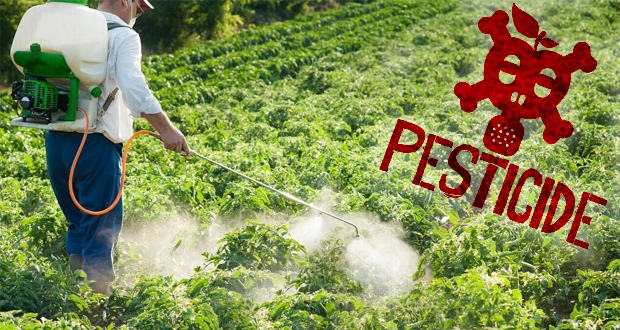
#Pesticides and #Cancer: The #LoveAffair Continues


In a hurry? Click here to read the Article Summary...
Chemical pesticides, herbicides, fungicides, and disinfectants have been in use for so long and and in so many places that many of us don’t even give a second thought to the ongoing damage these poisons are causing the environment… and us!
Pesticides are a broad class of substances used to control, kill, or repel certain plants and animals categorized as pests. Fungicides keep mold and mildew at bay. Disinfectants kill off any bacteria that may be a threat and prevent its spread. Herbicides destroy weeds that steal nutrients from crops. Insecticides repel and kill any insects that may feed on crops.
But Aren’t these Chemicals Keeping Us Safe?
Not so much. The residues left over from these compounds are everywhere. There are at least 70 widely used pesticides in use that are classified as probable or possible human carcinogens. Pesticide residue is found in homes, schools, hospitals, workplaces, and the food supply of both people and animals.
And while we often worry about the toxic air outside (and we should), the Environmental Protection Agency (EPA) discovered that dangerous contaminants (including pesticides) are as much as five times more prevalent indoors as outdoors. That means you could have more residual toxins inside your house than you do in your yard!

The Link Between Pesticides and Cancer
The major danger of pesticide use is the amount of chemical residue in and on our food. Residue is left behind on the crops sold to supermarkets and food manufacturers. People purchase and ingest the food. The chemicals kill beneficial bacteria in the digestive system and wreak havoc on the immune system.
We’re being poisoned from within because our bodies have difficulty expelling and defending against the ever-present chemicals. Bear in mind that these very same pesticides were approved for use by the EPA!
To “protect” us and allay our fears, the EPA has set limits on pesticide usage on crops as well as how much they think is okay for us to ingest. However… do you really trust these Government agencies?
After all, they are the folks who banned DDT for use in the United States, but had no problem allowing it to be sold to other countries. These other countries then use it on food that is imported to the U.S.
And who is to say how much pesticide exposure is too much? For the person who rarely eats