Aquí reposa la verdadera historia reciente del ser humano, desde el año 2013 hasta nuestros días, historia que será ocultada a las futuras generaciones.
Here lies the true recent history of humans, from 2013 to present day, a history that will be hidden from future generations.
"She has a remarkable ability to engage in a task. We use her as a model for the other kids, to show them what we want out of the journaling project," said my daughter's nursery school teachers as we sat together on diminutive, paint-splotched furniture. Rather than feeling self-satisfaction at her stellar "performance," my mind wandered to the greater issue at hand here: what is happening to children, how are we being manipulated by industry to interpret it, and how can awareness be raised around better solutions other than ADHD medications for kids.
A candid and uncharacteristically provocative piece entitled the Selling of Attention Deficit Disorder ran in the NY Times, as part of an effort to raise this awareness. The article discusses the making of an epidemic, much as Robert Whitaker, author of Anatomy of an Epidemic and host of Mad in America, has in his efforts to expose the manufacturing of a profit-driven machine into which our children are being fed. The Times article begins with a bird's eye view of the alarming statistics: Centers for Disease Control and Prevention show that the diagnosis had been made in 15 percent of
Video Transcript: How Does Sugar Make You Fat and Sick?
Ty Bollinger: You also mentioned insulin. I want you to speak briefly to the relationship that insulin and sugar have because some people think of sugar and they think of insulin as being totally separate. But there is a relationship and I would like you to try to describe that briefly.
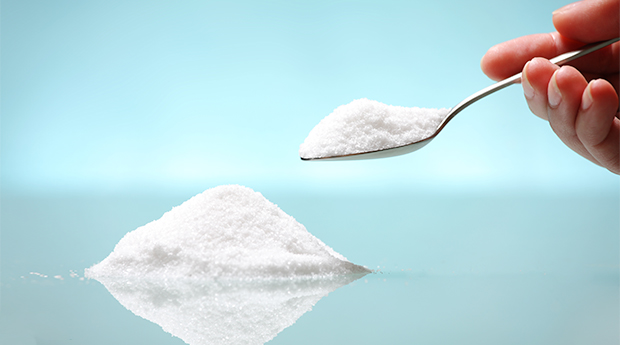
Dr. David Jockers: Yeah, great question Ty. So when we take in sugar—really at any one given time we should have about one teaspoon of sugar circulating in our blood stream. So the average American, if they go to 7/11 or whatever and they get a Big Gulp, they’re consuming massive quantities [of sugar]. In fact, if you were to take, for example, a 12 ounce Coke there’s 12 teaspoons of sugar in that. There’s about a teaspoon per ounce in a soft drink. That is toxic for the body. That will cause—that will literally if that’s elevated, if our sugar is elevated for that long with that much sugar in our blood stream, it will destroy us. It will kill us. Just look at somebody that’s got diabetic neuropathy, for example, uncontrolled diabetes. They’re going to have neuropathy. They’re going to have issues with their eyes—optic neuritis. They’re going to have all kinds of different health problems. That’s an example of uncontrolled blood sugar. So our body has this response where it sends out this hero hormone called insulin. And insulin comes out and its job is to take the sugar out of the blood stream and put it into the cells. So the first cells that start to fill up are the muscle and the liver cells. Somebody that’s more active, that does more regular exercise will have more open reserves in their muscle and their liver for stored sugar called glycogen. And so they’ll fill those areas up. Somebody’s that’s less active will have less open stores. Once the muscle and the liver are filled now the body will start to put—the insulin will start to put the sugar into the fat cells. So that will start to obviously increase fat cell development. That’s where you have this problem with insulin increasing weight gain, right, causing obviously problems with obesity. Other individuals like myself, Ty, I mean I could eat all the sugar in the world and I would never get fat. That just wouldn’t happen. However, I’d have no energy. I’d be diabetic. I’d have hypoglycemic issues and I’d have to take a nap all the time. And I’d end up with cancer. So different metabolic types are going to respond differently to sugar. But basically insulin’s job is to clear the blood stream of the sugar so that way we don’t get these potent inflammatory responses. One of the problems with elevated blood sugar is the sugar molecule binds to proteins, enzymes in our system, and it causes something called advanced glycolytic enzyme development. So if you break that word down, an advanced glycolytic enzyme, which is basically a sticky protein, a sugar binded to a protein. A, it’s an advanced glycolytic enzyme, so AGE. And so, of course, what does that do to us? It ages us. We want to restrict or reduce the amount of advanced glycolytic enzyme production. Insulin helps us with that. It helps, again, get the sugar into the blood stream. Now, as an altered effect of insulin, when insulin is elevated in your body, number one, your body is in storage mode. So it’s not going to be able to burn through fat stores effectively. Also it’s going to trigger inflammatory processes. It’s going to trigger other inflammatory molecules in your body and increase the inflammatory cascade in your system. And so keeping your body very sensitive to insulin by reducing sugar consumption is very important for, number one, weight control. Number two, reducing the inflammatory processes in our body.
Due
to our society’s love of sugar, scientists and manufacturers have been
busy producing synthetic artificial sweeteners. Artificial sweeteners
are designed to satisfy our taste for sugar without the added calories
and dangerous effects of triglyceride formation and insulin response. Examples of these sweeteners and flavor enhancers are acesulfame potassium, monosodium glutamate, sucralose, aspartame, and sodium benzoate. Unfortunately these substances − designed by man − metabolize into toxic compounds that cause metabolic dysfunction, disease, and cancer. Natural
sweeteners are minimally processed and offer at least some nutritional
value to the body. These include stevia, lao han extract, coconut sugar,
blackstrap molasses, yacon syrup, raw honey, and maple syrup. These
natural sweeteners are far better than artificial sweeteners because
processing depletes nutrients and increases health risks. Artificial sweeteners are synthetically produced in a laboratory, or are sugars that have been highly processed. The following artificial sweeteners and food additives pose grave dangers to your health and increase cancerous activity.
1. Acesulfame Potassium Weakens Immunity Acesulfame
potassium (acesulfame-K) is often found in other artificial sweeteners
like sucralose to hide an unpleasant aftertaste. Although acesulfame
potassium does not raise blood sugar levels it does produce insulin
secretions. High insulin levels promote inflammatory conditions
and weaken immune function. Hypoglycemia is a condition of low blood
sugar which can result because this artificial sweetener does not
elevate blood sugar. Even in small doses this artificial sweetener may
increase risk for atherosclerosis because it causes abnormal functioning
of high-density lipoproteins (HDL) which are necessary to maintain
optimal cardiovascular health. Disrupted metabolic pathways from acesulfame create abnormal cell activity, genotoxicity, and imbalanced homeostasis. Acesulfame is associated with increased risk of leukemia, thymus cancer, breast cancer, and chronic respiratory disease.
2. Monosodium Glutamate: A Neurotoxin Monosodium
glutamate (MSG) is a flavor enhancer and preservative added to many
packaged and canned goods. So dangerous, the Arizona Center for Advanced
Medicine believes this product increases the growth of cancer cells in
the body and stimulates neurotoxicity. Its consumption is